


Last Updated on August 14, 2026
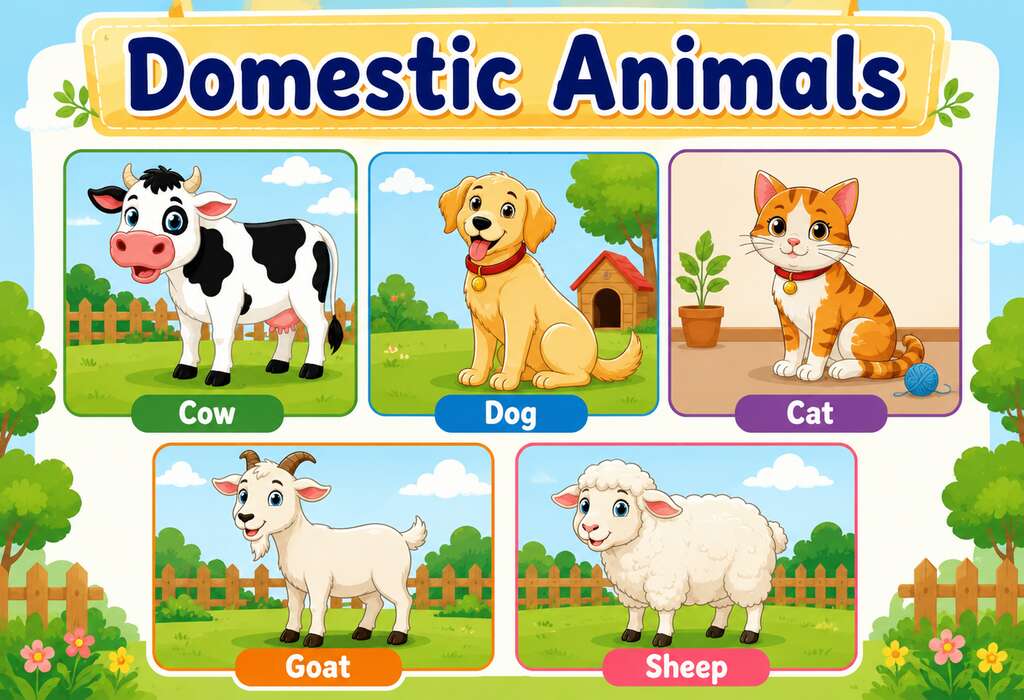
After teaching your little one about animals, it is important to introduce them to categories of animals, such as domestic animals and wild animals, as well. This not only helps enhance your little one’s animal vocabulary but also gives your young learner a chance to develop savvy pre-academic and social skills. Learning about domestic animals with names your child can easily remember is a great place to start.
Thank you for reading this post, don't forget to subscribe!
In this article, we have talked about the names of domesticated animals that you can teach your child. After reading about these common domestic animals, your child will be easily able to identify them by looking at an image or when they see them in real life, and even talk a little about each one. Before jumping into the names of domestic animals, let’s first understand what domestic animals actually are.
What Are Domestic Animals?
Domestic animals are animals that have been tamed and bred by humans over generations to live closely alongside them, rather than in the wild. Unlike wild animals, they depend on humans for food, shelter and care, and in return, they often provide companionship, protection, labour or resources such as milk, wool or eggs.
Domestication is a gradual process that has taken place over thousands of years, with animals like dogs, cats, cows and horses being among the earliest species to form this close relationship with humans. Over time, these animals have adapted not just physically, but also behaviourally, becoming more comfortable around people and, in many cases, entirely dependent on human care for their survival. Today, domestic animals can be found in homes, farms and communities all over the world, playing an important role in daily life, whether as pets, working animals or a source of food and other resources.
Why Is It Important To Teach Kids About Domestic Animals?
Teaching children about the different types of domestic animals goes beyond simple vocabulary building; it helps them make sense of the world around them from an early age. Many domestic animals, such as dogs, cats and farm animals, are part of a child’s everyday environment, making this an easy and relatable starting point for learning.
Understanding these animals also introduces children to important concepts like care, responsibility and empathy, especially when discussing how domestic animals depend on humans for food, shelter and safety. Beyond emotional development, learning to identify and name domestic animals strengthens observation skills, supports early language development, and lays a foundation for more advanced topics in science, such as animal classification and habitats, later in their education.
List Of Domestic Animals With Pictures
1. Cow
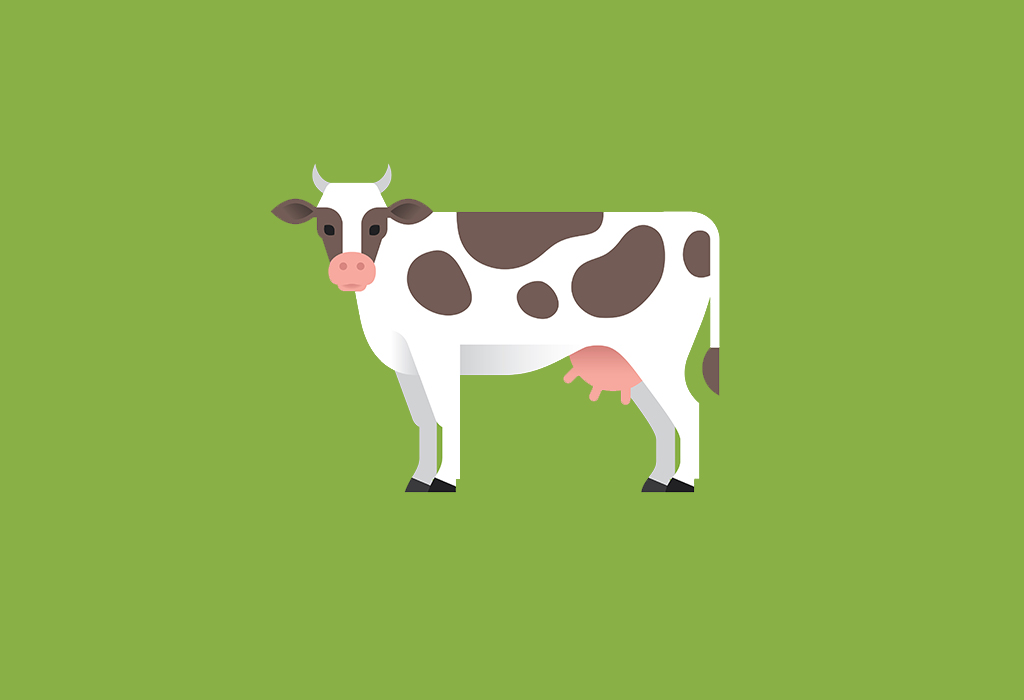 Cows are raised mainly for their milk, used to make everyday products like curd, butter and cheese. Herbivores by nature, they spend much of the day grazing and are known for their calm, gentle temperament.
Fun Fact: A single cow can produce over 200,000 glasses of milk across its lifetime.
2. Dog
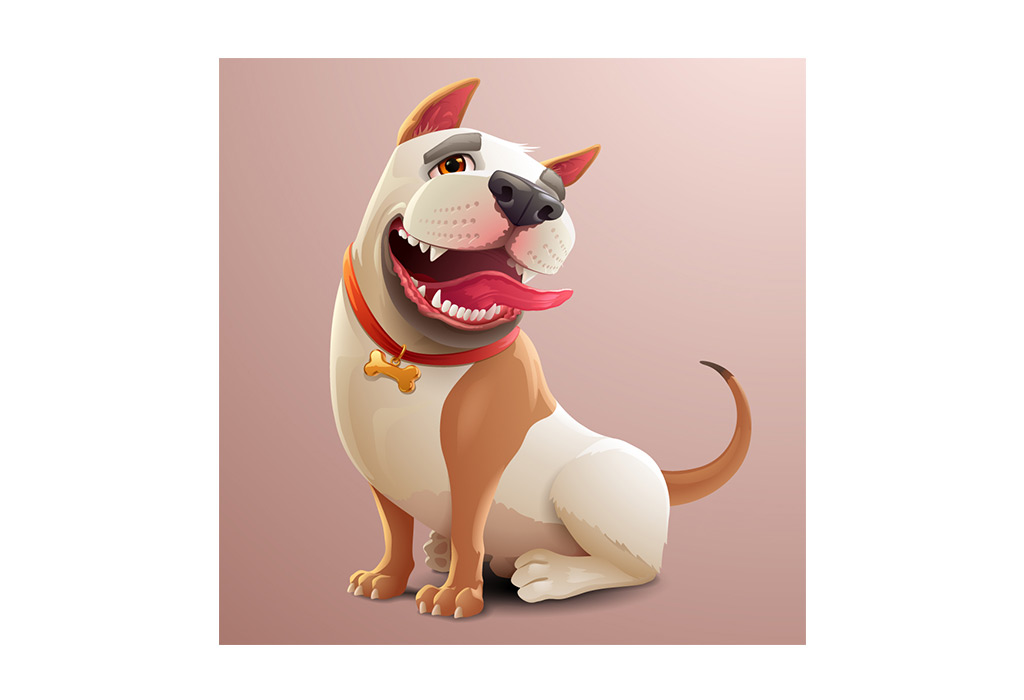 Dogs were the first animal species domesticated by humans, and beyond companionship, they’ve taken on roles like guarding homes, herding livestock and assisting people with disabilities.
Fun Fact: A dog’s sense of smell is up to 100,000 times stronger than a human’s.
3. Cat
 Cats retain much of their independent, instinctual behaviour even after generations of domestication. Historically valued for controlling rodents, they remain agile hunters with sharp reflexes and excellent night vision.
Fun Fact: Cats spend nearly 70% of their lives asleep, conserving energy much like their wild ancestors.
4. Goat
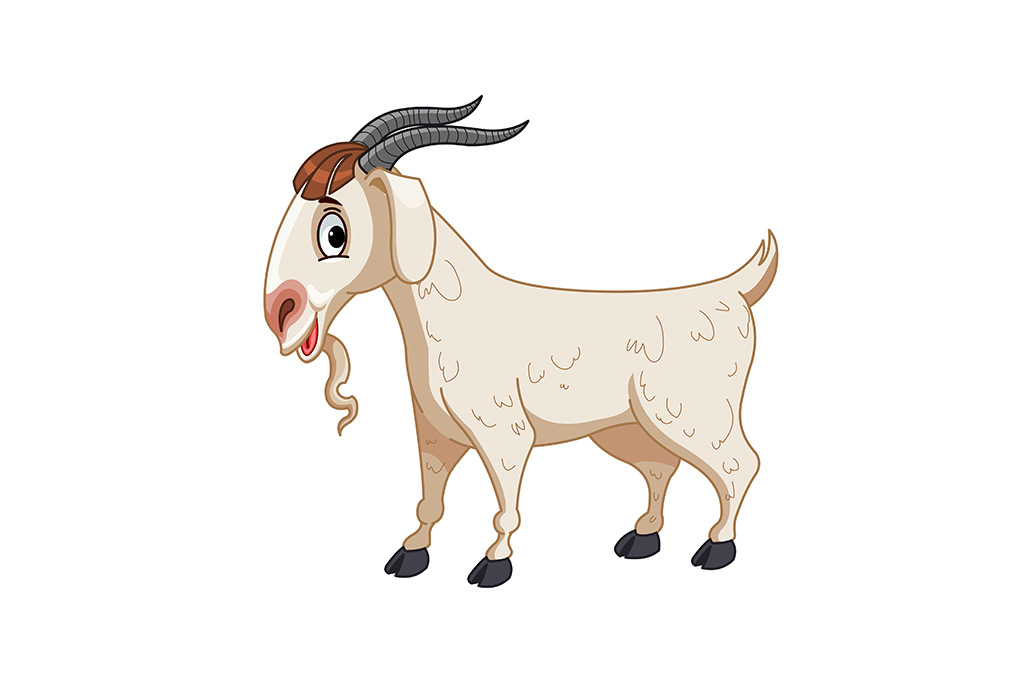 Goats are remarkably adaptable, thriving in everything from mountainous terrain to dry, arid regions. They’re raised for milk, meat and, in some breeds, wool, and are known for their curious, exploratory nature.
Fun Fact: Goats have rectangular pupils, giving them an almost 360-degree field of vision to spot predators.
5. Sheep
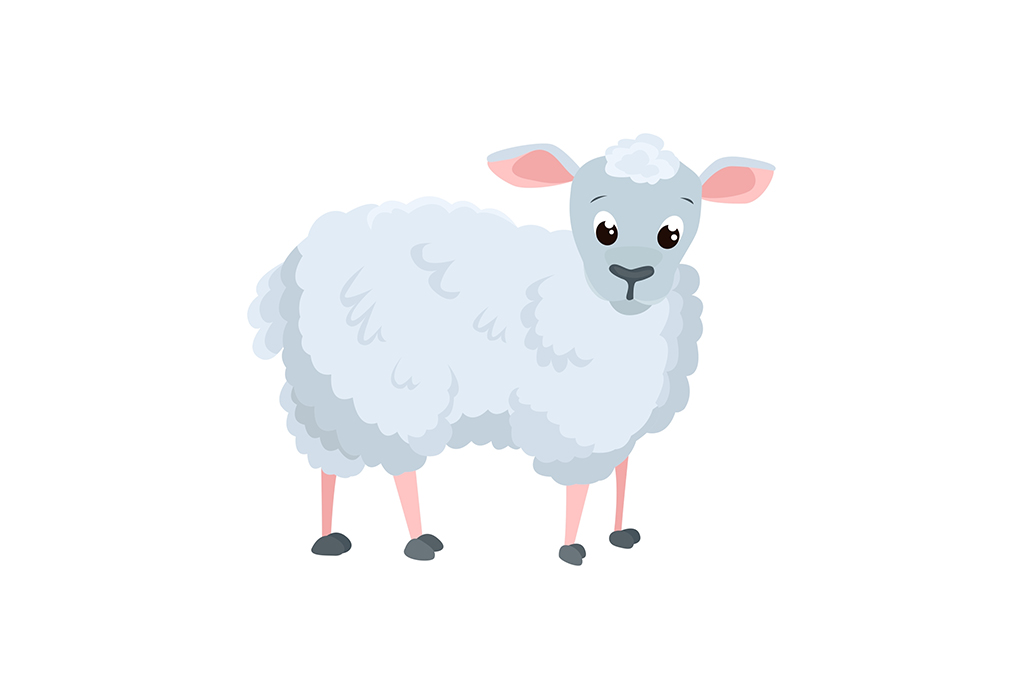 Sheep are social animals that live and graze in flocks. Beyond wool, they’re also raised for meat and milk, with their thick coats requiring regular shearing.
Fun Fact: Sheep can recognise and remember up to 50 individual faces, including humans, for years at a time.
6. Horse
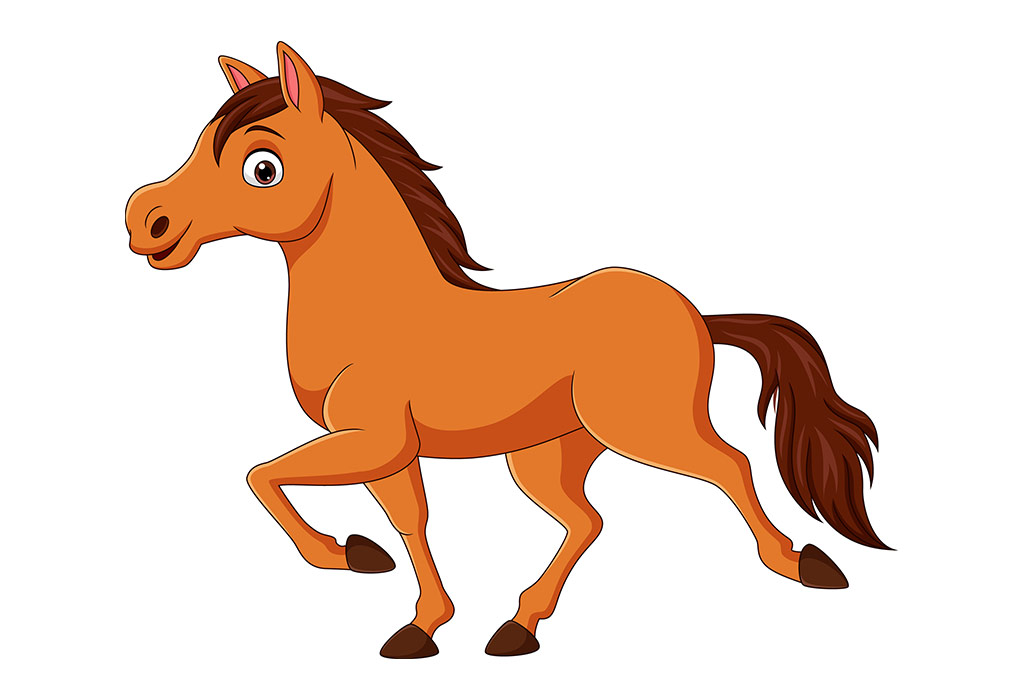 Horses have historically supported transportation, farming and even warfare, and today they’re valued for riding, sport and companionship. They’re highly social animals, often forming strong bonds within their herds.
Fun Fact: Horses can sleep both lying down and standing up, thanks to a locking mechanism in their leg joints.
7. Rabbit
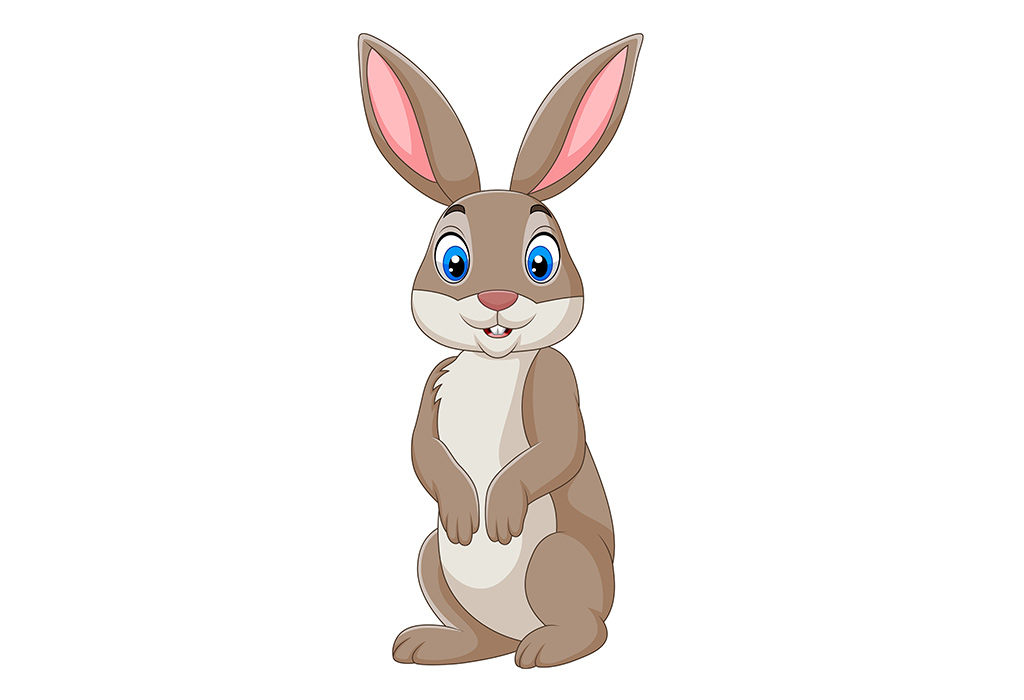 Rabbits are gentle, quick-moving animals whose long ears aid hearing and help regulate body temperature. Often kept as pets today, they were historically raised for fur.
Fun Fact: A rabbit’s teeth never stop growing, which is why regular gnawing is essential to keep them worn down.
8. Pig
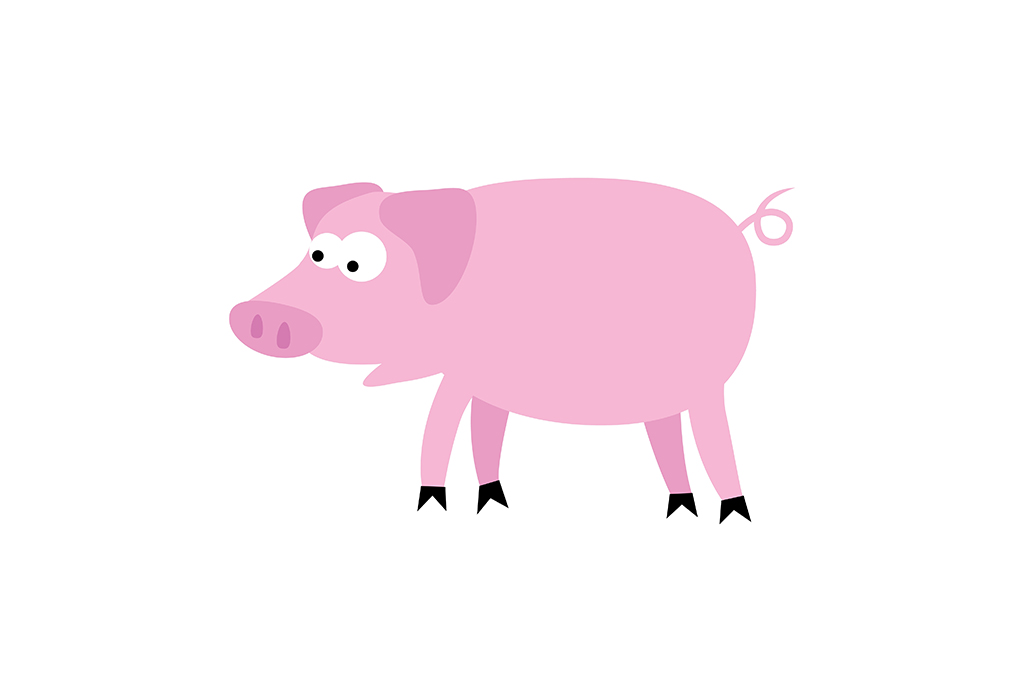 Pigs are often underestimated, with studies showing problem-solving skills comparable to, or exceeding, dogs. Their instinct to wallow in mud helps cool their bodies, since they lack functional sweat glands.
Fun Fact: Pigs are considered one of the most intelligent domestic animals, often outperforming dogs in cognitive tests.
9. Chicken
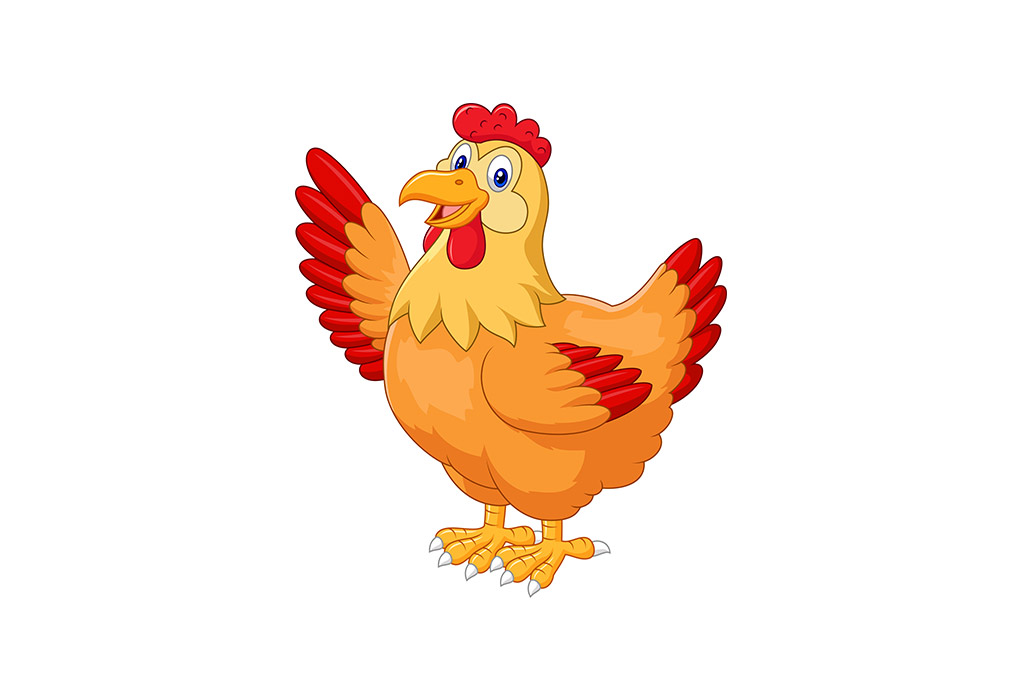 Chickens are raised primarily for their eggs and meat, and despite their small size, they display complex social behaviour, forming a distinct pecking order within their flock.
Fun Fact: Chickens are considered the closest living relatives of the Tyrannosaurus rex, based on genetic and skeletal similarities.
10. Donkey
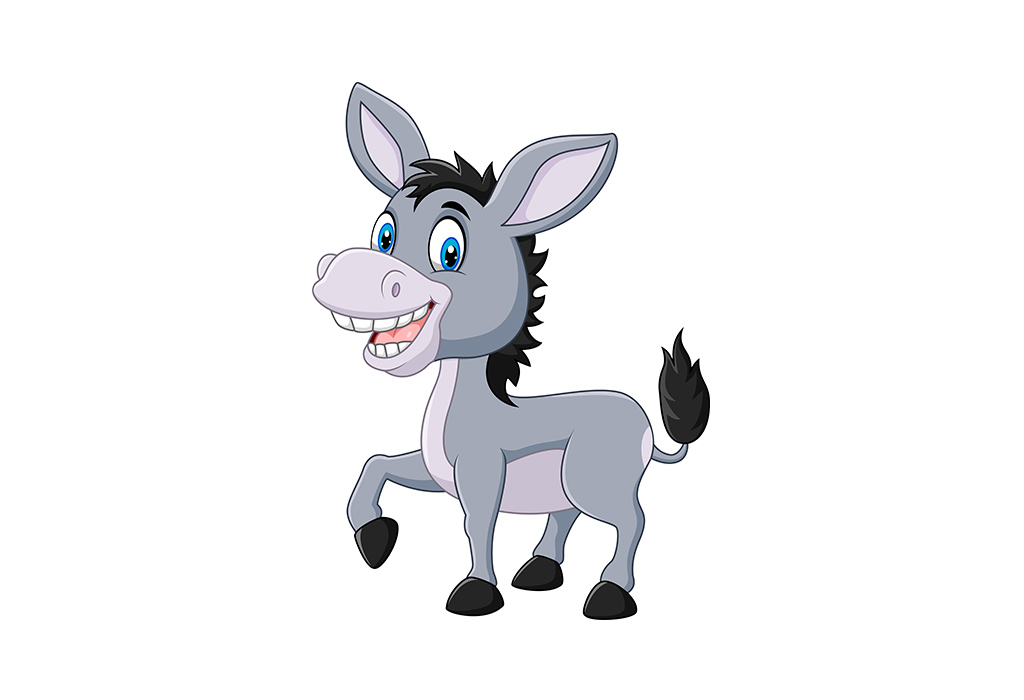 Donkeys are valued for their strength, endurance and sure-footedness in difficult terrain. Despite a reputation for stubbornness, they’re highly intelligent and cautious by nature.
Fun Fact: A donkey’s large ears function much like a car radiator, helping regulate body temperature in hot climates.
Other Domestic Animals To Teach Kids About
Here are the names of some more domestic animals that you can teach your little one.
- Alpaca
- Bee
- Buffalo
- Camel
- Dove
- Duck
- Emu
- Fish
- Goose
- Guinea pig
- Hamster
- Llama
- Ostrich
- Parrot
- Quail
- Reindeer
- Rooster
- Squirrel
- Turkey
- Yak
Domestic Vs. Wild Animal
Understanding the difference between wild animals and domestic animals helps children make sense of how different creatures live and interact with the world. Here’s a simple comparison to highlight the key differences between the two.
| PARAMETER | DOMESTIC ANIMALS | WILD ANIMALS |
| Habitat | Live in homes, farms or areas close to humans | Live in forests, jungles, deserts or natural habitats |
| Dependence on Humans | Rely on humans for food, shelter and care | Independently find their own food and shelter |
| Behaviour | Generally tame and comfortable around people | Often cautious or defensive around humans |
| Purpose | Kept for companionship, milk, labour or food | Exist naturally, without a defined human purpose |
| Examples | Cow, dog, cat, goat, sheep | Lion, tiger, elephant, deer, wolf |
| Breeding | Bred selectively by humans over generations | Breed naturally without human intervention |
Activities to Help Kids Learn Domestic Animal Names
Learning through play makes it far easier for children to remember domestic animal examples and their names. Here are five simple activities to make the learning process fun and engaging.
1. Animal Sound Matching
Play different animal sounds, such as a cow’s moo or a dog’s bark, and ask your child to guess which animal makes each one. You can raise the challenge by playing two or three sounds in a row and asking them to name all the animals in order.
2. Flashcard Naming Game
Create simple flashcards with pictures of domestic animals and ask your child to name each one. Once they’re confident, add a twist by asking them to also share what the animal eats or where it lives.
3. Farm Visit or Virtual Tour
Take your child to a local farm, or explore a virtual farm tour online, so they can see domestic animals up close. Point out each animal by name during the visit to help the vocabulary stick.
4. Animal Sorting Game
Give your child a mix of domestic and wild animal picture cards and ask them to sort them into two groups. Ask them to explain their choices, which helps reinforce the difference between the two categories.
5. Draw and Label
Ask your child to draw their favourite domestic animal and label it with its name, along with a small detail like its favourite food or sound. Display their drawing at home as a fun way to revisit the vocabulary later.
FAQs
1. Can a Wild Animal Ever Become a Domestic Animal?
Yes, over many generations, some wild animals have been tamed and bred by humans until they became domesticated, though this usually takes hundreds or thousands of years.
2. Why Do Some Domestic Animals Still Behave Like Wild Animals Sometimes?
Even after generations of domestication, some animals retain instincts from their wild ancestors, such as a cat’s hunting behaviour or a dog’s instinct to dig, which is why occasional wild-like behaviour is completely normal.
3. Do All Domestic Animals Live on Farms?
No, while many domestic animals like cows and goats are commonly found on farms, others, such as dogs and cats, are more commonly kept as pets in homes within cities and towns.
4. Why Are Some Domestic Animals Kept in Groups Rather Than Alone?
Animals like sheep and goats are naturally social and feel safer in groups, a behaviour that has carried over from their wild ancestors, who relied on herd numbers for protection against predators.
5. Do Domestic Animals Communicate the Same Way Humans Do?
No, domestic animals communicate mainly through sounds, body language and behaviour rather than words, though many have learned to respond to human speech, tone and gestures over time.
Domestic animals play a quiet but meaningful role in our everyday lives, from the milk we drink to the companionship we cherish at home. By learning their names, habits and unique qualities, children not only build vocabulary but also develop a deeper appreciation for the animals that share our world so closely.
Also Read:
Pet Animal Names for Children
Nocturnal Animals Names in English for Kids
Flying Animals Names for Children in English