

- What Are Family Members?
- Importance Of Teaching Family Relationship Names To Kids
- Types of Families
- Family Members’ Names With Pictures For Kids
- Family Relationship Names with Pictures for Kids
- Other Relatives
- Family Members’ Names: Table
- Activities That Will Help Your Child Learn Family Members’ Names
- FAQs
As children grow and step out into the world, they start recognising that some people are related to them in a special way. They learn the difference between family members and others. They feel a sense of comfort and security when with their family members, as they become sensitised to the fact that family is the core of love and care. Understanding what a family member is in English can help them communicate these relationships more clearly.
Thank you for reading this post, don't forget to subscribe!
Children learn to recognise family members as early as when they are a baby. Recognising their mother is one of the first milestones that babies achieve. Let’s teach your kids the names of all family members in English with these ideas.
What Are Family Members?
Family members are individuals who are closely related to us and often share a home, including parents, grandparents, and siblings, as well as sometimes uncles, aunts, and cousins. They support one another, enjoy meals together, celebrate special occasions, and help children feel secure, cherished, and connected to a group where they truly belong.
Importance Of Teaching Family Relationship Names To Kids
Children need to learn the names attached to all relationships. Learning the names of their family members helps kids lead healthier lives. As they grow up, learning the names of family members and relationships not only helps kids with their own relationships but also fosters healthier connections with teachers, friends, and others in their lives. It helps them correctly recognise their relatives and introduce them to their teachers, friends, and others. It also helps them communicate and bond well with them.
Types of Families
Families can look different from one another, and that is completely normal. This section explains the two types of families children may see, so they learn that every family, big or small, is special and full of love.
1. Nuclear Family
A nuclear family is a small family in which parents and one or more children live together in the same house. In this type of family, grandparents, uncles, aunts, and cousins usually live in separate homes, so daily life is mostly shared only with close family members. Children in a nuclear family often receive more individual attention from their parents but may see their extended family mainly during visits, calls, or special occasions.
2. Joint Family
A joint family is a large family in which grandparents, parents, children, uncles, aunts, and cousins live together or share the same household. Many members eat, work, and celebrate together, and they also share duties like cooking, caring for children, and helping elders. Children in a joint family grow up with many relatives around them, which provides them with strong support, more playmates, and opportunities to learn from older family members every day.
Family Members’ Names With Pictures For Kids
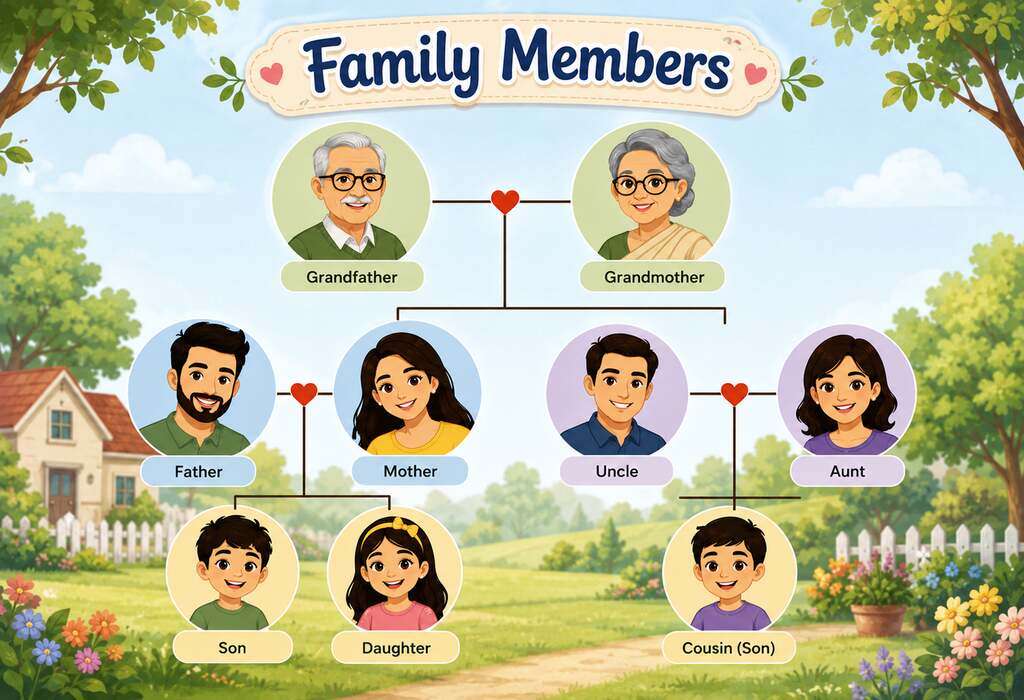
A family is composed of parents, children, siblings, grandparents, even pets, and everyone who lives in a home, bound by a feeling of love that binds them all together. Let us learn the names of family members for classes 1, 2, and 3 kids. Here is a list of names of family members:
1. Mother
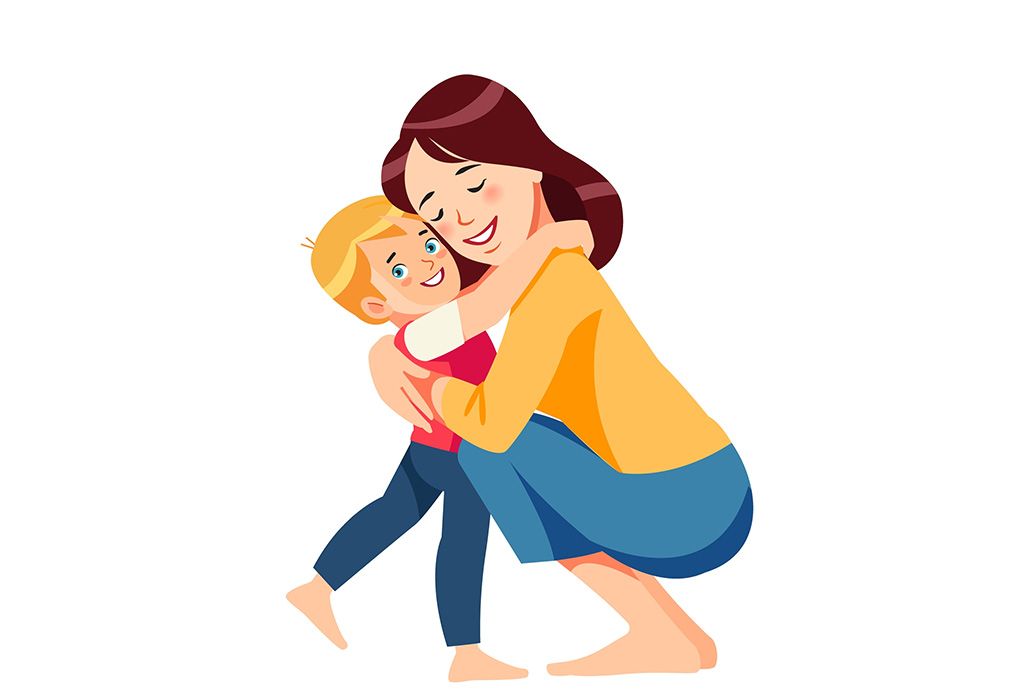
The woman who gave birth to you and raised you with care is called your mother. Around the world, mothers are known by a variety of names such as mom, mum, mama, maman, madre, mama, mummy, or other loving titles in different languages and cultures.
2. Father
The man who, along with your mother, guides, supports, and nurtures you is called your father. Fathers are recognised worldwide by names such as dad, papa, baba, père, padre, daddy, or other affectionate terms unique to each culture and language.
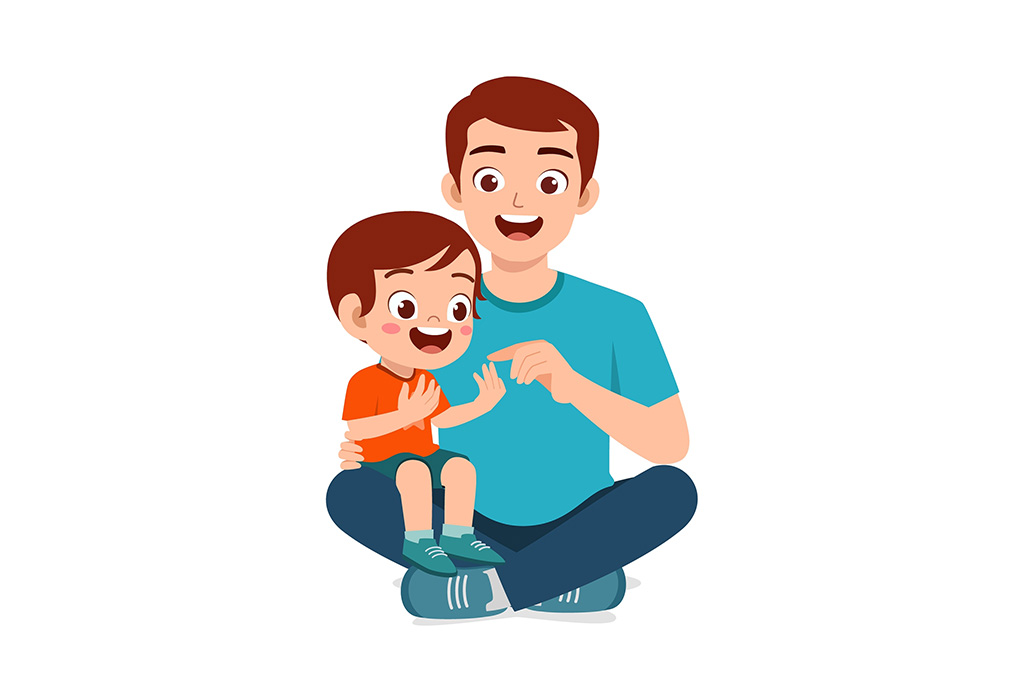
3. Brother
A male sibling, whether older or younger, is called a brother. Across cultures, brothers are addressed by various names such as brother, bro, frere, hermano, bhai, or other familial terms specific to different regions.
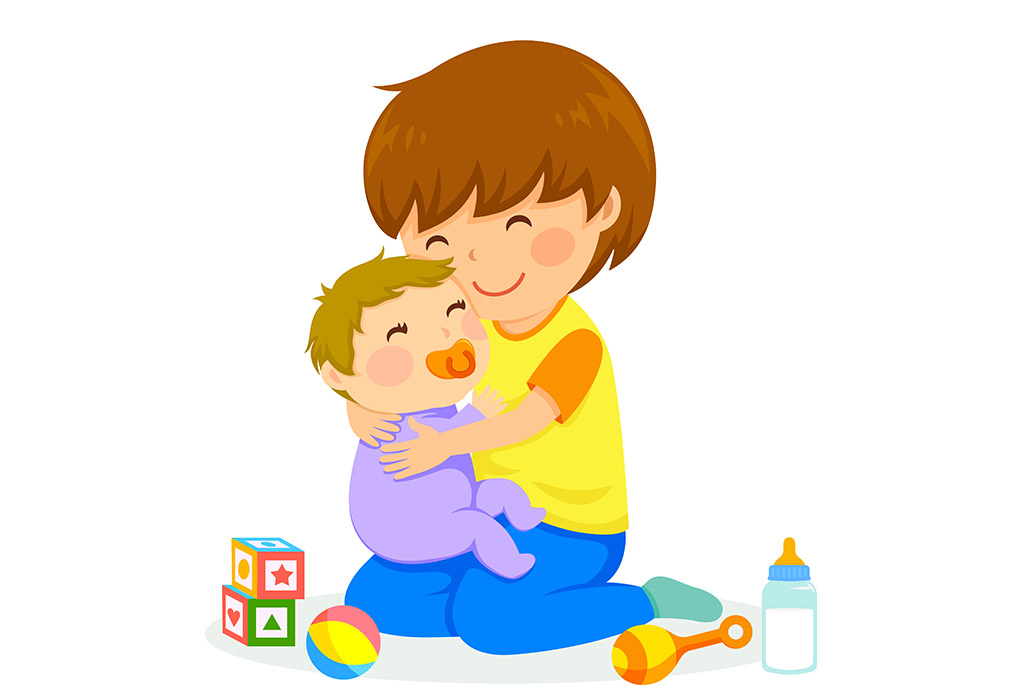
4. Sister
A female sibling is known as a sister. People around the world may call their sister by terms such as sister, sis, soeur, hermana, didi, or other endearing names from their own languages.
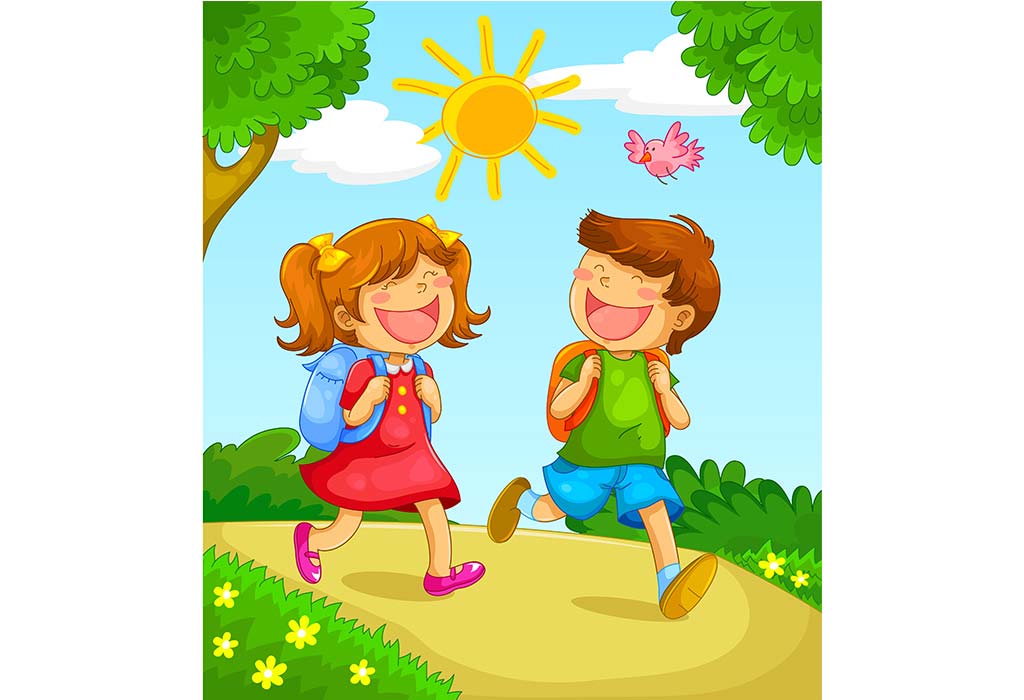
5. Grandmother
The mother of your father or mother is called your grandmother. In different cultures, grandmothers are known as grandma, granny, nana, nona, oma, patti, abuela, or other cherished titles that reflect family traditions.
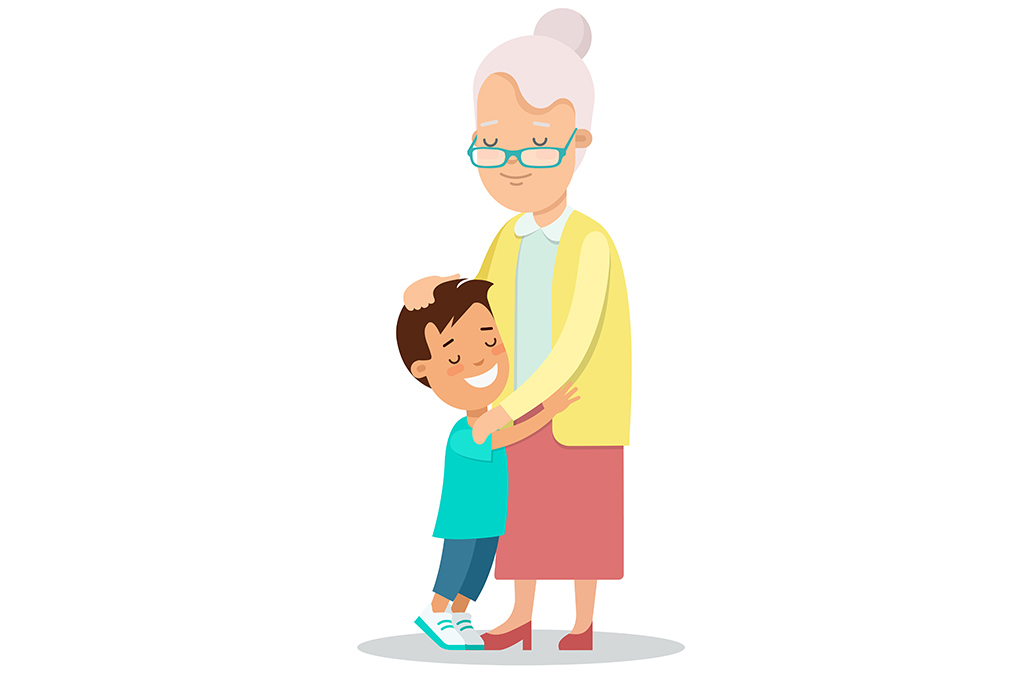
6. Grandfather
The father of your father or mother is called your grandfather. Around the world, grandfathers are addressed as grandpa, granddad, grandpère, abuelo, opa, or other respected names in various languages and cultures.
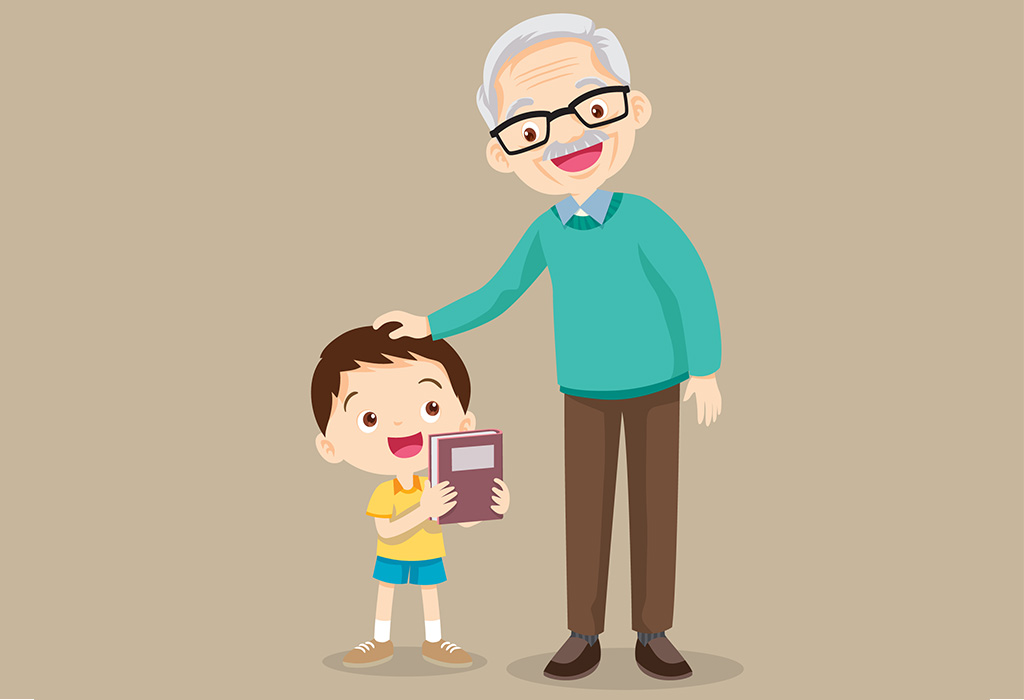
Family Relationship Names with Pictures for Kids
Apart from knowing the names of various family members, kids need to learn about the interpersonal relationships among them. Here are the common family relationships:
In addition to learning the names of family members, it is important for children and readers of all ages to understand the different relationships between relatives. Here are some common family relationships recognised around the world:
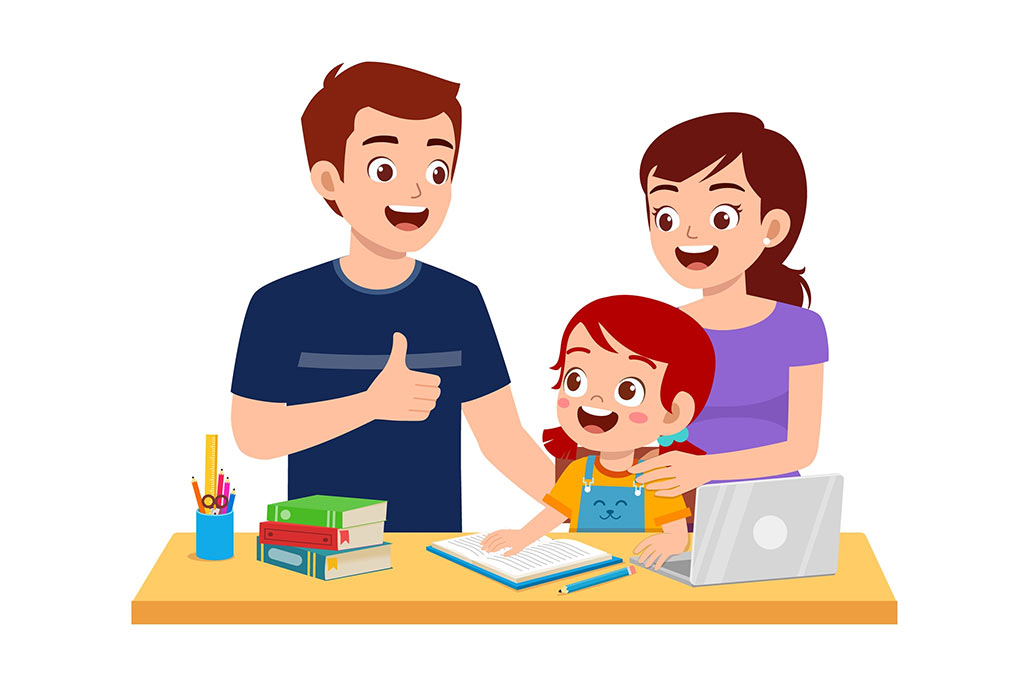
1. Parents
Your mother and father together are called your parents. In different countries, parents may be referred to as mom and dad (English), maman and papa (French), madre and padre (Spanish/Italian), mutter and vater (German), mãe and pai (Portuguese), or by other local terms.
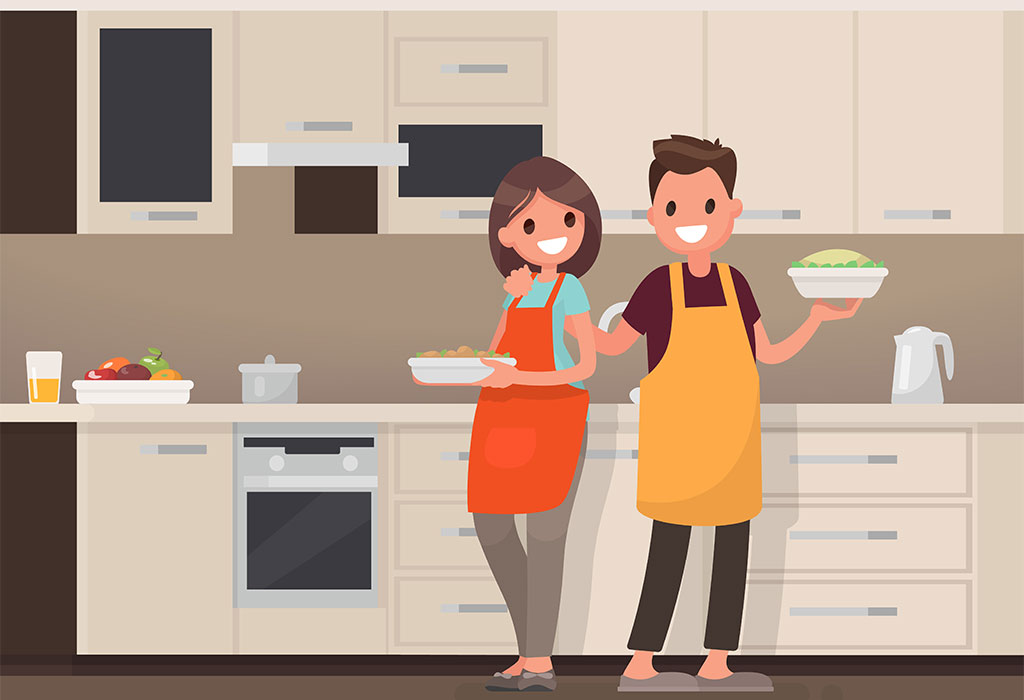
2. Spouses
Two people who are married to each other are called spouses. Depending on the culture and language, they may also be called husband and wife, partners, esposo/esposa (Spanish), mari/femme (French), marito/moglie (Italian), or similar terms in other languages worldwide.
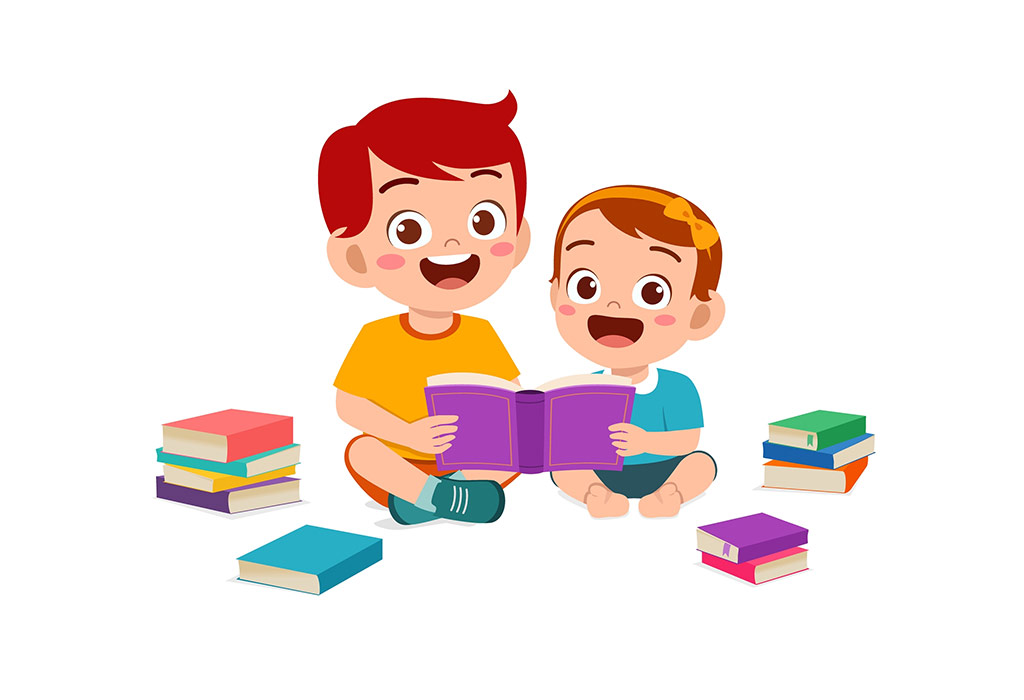
3. Siblings
Brothers and sisters together are called siblings. Around the world, you might hear words like siblings (English), frères et sœurs (French), hermanos (Spanish), Geschwister (German), irmãos (Portuguese), or other equivalents depending on the language.
Other Relatives
In addition to the immediate family, many other relatives make up your family tree. These extended family members, or relatives, may have unique names and roles in different cultures. Let’s explore some of these family connections from around the world.
1. Aunt
Your mother or father’s sister is your aunt. Globally, she might be called aunt or aunty (English), tante (French/German/Dutch), tía (Spanish), zia (Italian), tia (Portuguese), or by traditional names in other languages.
2. Uncle
Your mother’s or father’s brother is your uncle. Across the world, he may be called uncle (English), oncle (French), tío (Spanish), zio (Italian), tio (Portuguese), or by culturally specific names.
3. Cousins
Cousins are the children of your aunts and uncles. In different places, they are called cousins (English), cousins (French), primos/primas (Spanish/Portuguese), cugini/cugine (Italian), or by other local names. Cousins often share a close bond, especially at family gatherings.
4. Maternal Relatives
Relatives connected through your mother are called maternal relatives. Around the world, terms for maternal grandparents, uncles, and aunts can vary: for example, maternal grandmother (English), grand-mère maternelle (French), abuela materna (Spanish), or by unique names in other cultures.
5. Paternal Relatives
Relatives on your father’s side are known as paternal relatives. Globally, names for paternal grandparents and other family members vary across languages, including paternal grandfather (English), grand-père paternel (French), abuelo paterno (Spanish), and other traditional titles.
Family Members’ Names: Table
This table helps children learn the names of various family members in a simple, clear way. It serves as a family members’ name list, showing how each person fits into the family so children can understand and remember who is who.
| Family Member | Relation To You | What You Can Call Them |
| Father | Your dad | Dad, Papa |
| Mother | Your mom | Mom, Mummy |
| Brother | Your sibling | Brother |
| Sister | Your sibling | Sister |
| Grandfather | Father’s father | Grandpa |
| Grandmother | Father’s mother | Grandma |
| Grandfather | Mother’s father | Grandpa |
| Grandmother | Mother’s mother | Grandma |
| Uncle | Father’s brother | Uncle |
| Aunt | Father’s sister | Aunt |
| Uncle | Mother’s brother | Uncle |
| Aunt | Mother’s sister | Aunt |
| Cousin | Child of your uncle or aunt | Cousin |
| Son | Your child | Son |
| Daughter | Your child | Daughter |
| Husband | Partner of your mother | Husband |
| Wife | Partner of your father | Wife |
Activities That Will Help Your Child Learn Family Members’ Names
Help your child learn family vocabulary through engaging and enjoyable activities.
1. My Family Tree!
Create your own family tree! Gather blank paper, crayons, a glue stick, and some small decorative leaves, or cut out leaf shapes from green paper if needed. Start by drawing a large, leafless tree on a plain sheet. Invite your child to colour it. Next, attach the leaves to the branches—one for each family member. Under each leaf, write the name and relationship of that person. Explain to your child that this tree represents your family, and each member is a unique leaf on the same tree.
2. Guess Who?
Enjoy a simple game of “Guess Who?” with your child. Use age-appropriate descriptive words to describe a family member, and let your child guess who it is. This fun activity reinforces family vocabulary and descriptive language skills in an entertaining way.
3. Family Neighbourhood
Gather plain sheets of paper, colouring supplies, a glue stick, and small pieces of ribbon. Let each sheet represent a core family within your extended family. Ask your child to draw one house and one family per sheet. Connect the houses by glueing ribbons between them to create a chain, showing how families are linked. This creative activity uses the neighbourhood analogy to help your child understand closeness and family relationships.
4. DIY Memory Game
This DIY memory game is both fun and educational, helping your child learn about family members.
Draw a house with multiple windows on a large sheet of paper—one window for each family member, such as Mother, Father, Grandmother, Grandfather, Brother, Sister, or even pets. Attach small photos of each person to the windows. Then, make card covers the same size and shape as the windows, and decorate them to look like curtains or window grills. Cover each window with a card. As you call out a family member’s name, invite your child to “open” the window by removing the card to reveal the correct photo. This interactive game strengthens family vocabulary and boosts your child’s memory skills.
FAQs
1. Why Do We Need Different Names For Family Members?
Answer: We use different names so we know exactly who we are talking about and can show love and respect in the right way, like calling “Dad” for father and “Grandma” for your mother’s mother.
2. How Can Learning Family Member Names Help My Vocabulary?
Learning family members’ names teaches children new words, how to use them in sentences, and how to describe people in their home, which helps them speak and write better every day.
3. How Can I Easily Remember All The Family Members’ Names?
You can remember names by making a picture chart, playing a matching game, or asking family members to point themselves out and say their relation, which makes learning fun and helps it stick in your memory.
4. How Can Parents Help Children Learn Family Member Names?
Parents can help by pointing to each person, saying their name and relationship, asking the child to repeat, and playing simple games like “Who is this?” so that learning feels like play rather than work.
Learning family member names helps children understand their relationships and feel more connected to the people they love. By using these names in daily conversations, charts, and games, kids build strong vocabulary and confidence while discovering how special each person in their family is.
Also Read:
Fruit Names in English for Kids
House Vocabulary in English for Children
Living Things and Non-Living Things for Kids