


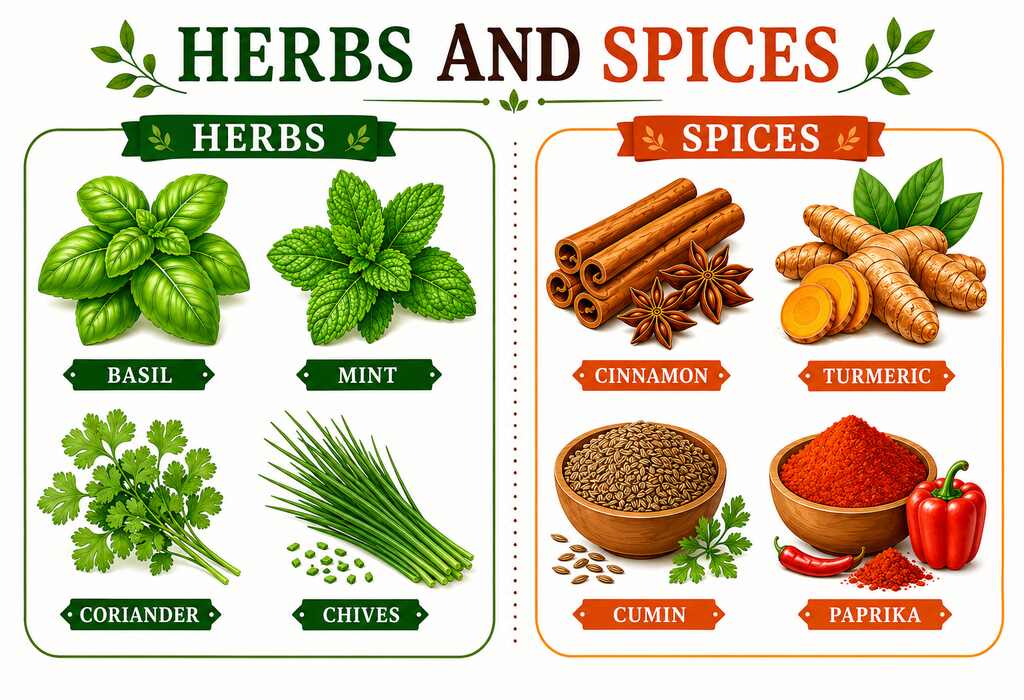
When you see a plate of delicious food in front of you, there are many elements that you sense all at once — the vibrant colours, the enticing aroma, and the beautifully presented ingredients. Ever wondered how it all comes together so perfectly? Beyond the main ingredients, it is the carefully chosen names of spices and herbs used in cooking and garnishing that truly give a dish its distinctive flavour, depth, and that special kick we all love.
Thank you for reading this post, don't forget to subscribe!
Whether you are an adventurous home cook or simply curious about what goes into your favourite meals, familiarising yourself with a list of spices and herbs can completely transform the way you cook and eat. From the warmth of cinnamon to the freshness of basil, each spice and herb brings something unique to the table. Understanding their individual flavours, aromas, and uses can open up a whole new world of culinary possibilities right in your own kitchen.
What Are Herbs And Spices?
Herbs are the leafy parts of plants used in cooking, either fresh or dried. Typically, herbs are short plants with green, delicate, and tender stems, often featuring fewer branches.
Spices are seeds, fruits, roots, bark, or other plant substances primarily used to flavour or colour food. Unlike herbs, which consist of plant leaves, flowers, or stems, spices are derived from other parts of plants.
Herbs and spices each contribute unique flavours, aromas, and colours to food, making them essential elements in cooking. Different regions around the world have their own distinctive herbs and spices that lend local dishes their characteristic taste and fragrance.
What Are the Benefits Of Learning About Herbs and Spices?
Herbs and spices are not just for grown-ups — there is a whole world of exciting flavours and fascinating facts waiting to be explored! Here are some wonderful benefits of learning about all the names of spices and herbs that every child should know.
- Develops A Love For Cooking — Learning about herbs and spices helps children develop a curiosity and love for cooking from an early age.
- Encourages Culinary Adventure — It encourages children to explore new flavours and be more adventurous with their food choices.
- Teaches Natural Health Remedies — Understanding the properties of different herbs and spices can teach children about natural health remedies and their healing benefits.
- Broadens Cultural Awareness — It helps broaden a child’s knowledge of different cultures and cuisines from around the world.
- Sharpens Memory And Cognitive Skills — Identifying and remembering the names and properties of various herbs and spices can sharpen a child’s memory and cognitive skills.
- Encourages Sensory Exploration — It encourages children to use all their senses — sight, smell, taste, and touch — making it a truly enriching sensory experience.
- Inspires Gardening And Responsibility — Learning about herbs and spices can inspire children to grow their own herb garden, teaching them valuable lessons about nature, patience, and responsibility.
Name Of Herbs for Kids
Herbs are a fascinating and flavourful part of the culinary world that children will absolutely enjoy learning about. Here is a handy list of some common and interesting herbs that kids can easily recognise, explore, and even grow at home.
1. Basil
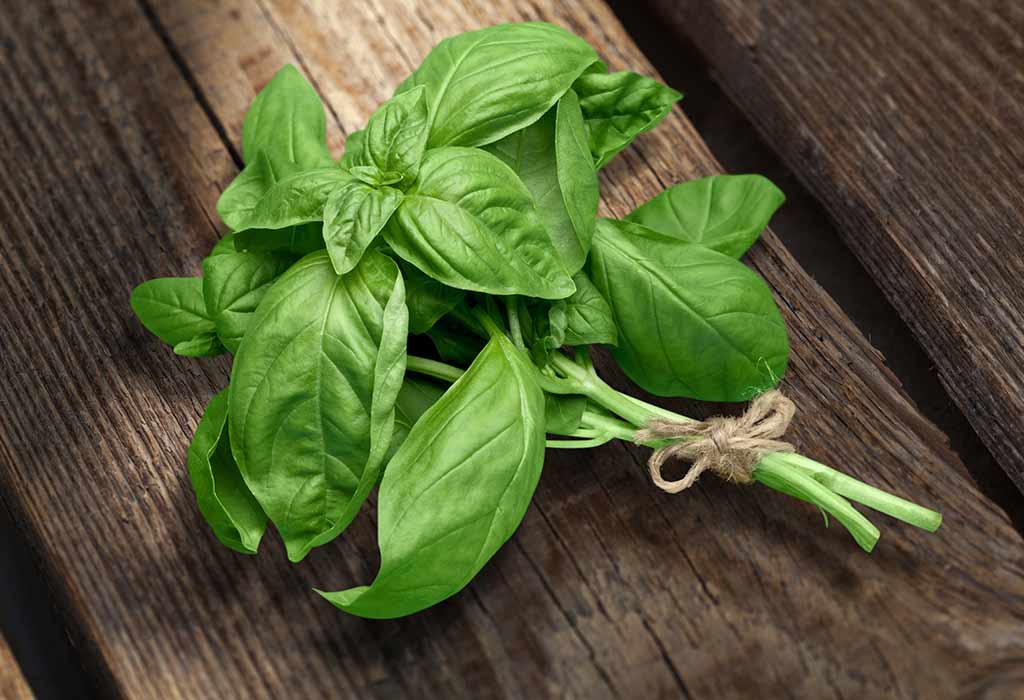
Basil is a fragrant, flavourful herb with bright green leaves, widely used in Italian and Asian cuisines. It has a sweet, slightly peppery flavour and is commonly used in pasta sauces, salads, and as a pizza topping. Basil is also known for its calming and anti-inflammatory properties.
2. Mint
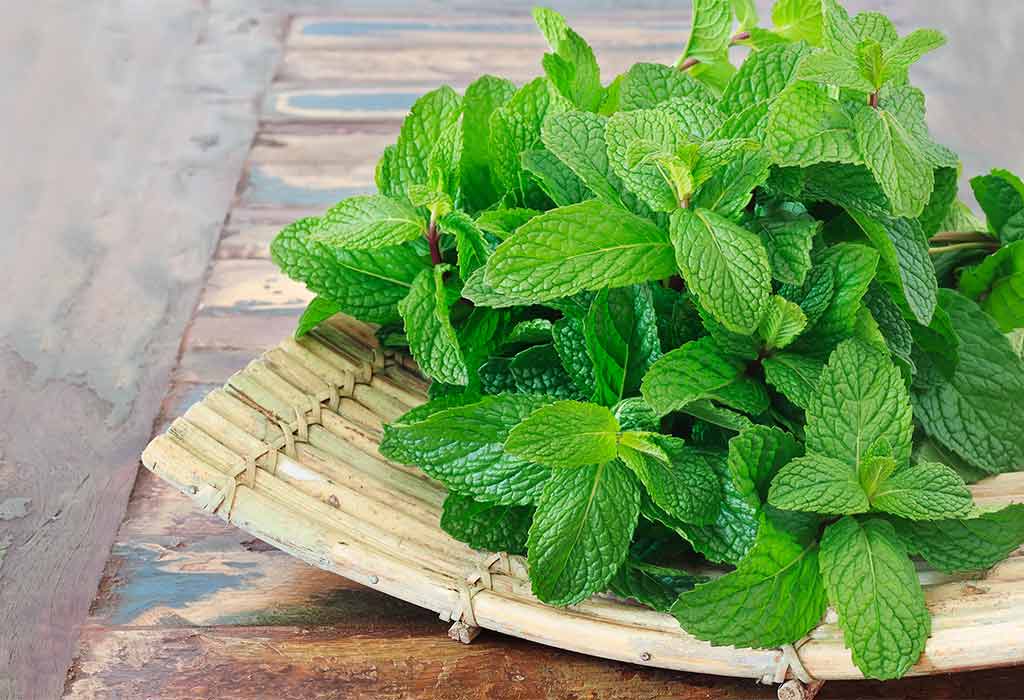
Mint is a refreshing, aromatic herb instantly recognisable for its cool, tingling flavour. It is widely used in teas, juices, chutneys, and desserts, and is also a popular ingredient in many medicines and beauty products. Mint is known to aid digestion and help soothe an upset stomach.
3. Coriander
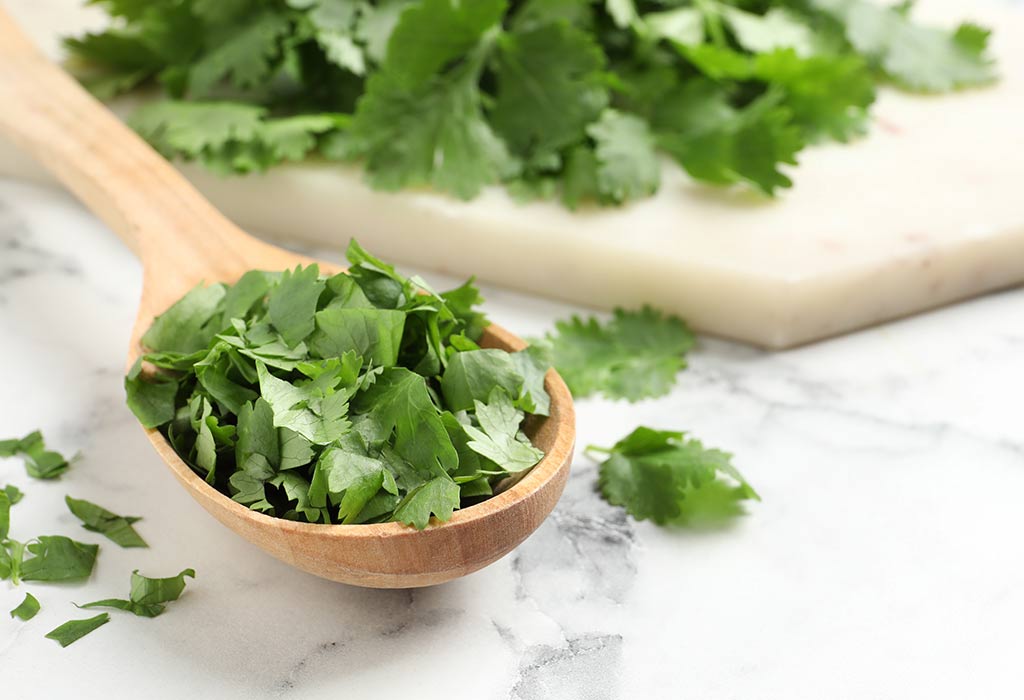
Coriander, also known as cilantro, is a versatile herb with a fresh, citrusy flavour, widely used in Asian, Middle Eastern, and Latin American cuisines. Both its leaves and seeds are used in cooking, making it one of the most widely used herbs in the world. It is also known for its antioxidant and digestive benefits.
4. Parsley
Parsley is a bright green herb with a mild, slightly bitter flavour, commonly used as a garnish and flavouring in a wide variety of dishes. It is packed with essential vitamins and minerals, making it both nutritious and flavourful. Parsley is widely used in soups, stews, salads, and sauces across many cuisines.
5. Rosemary
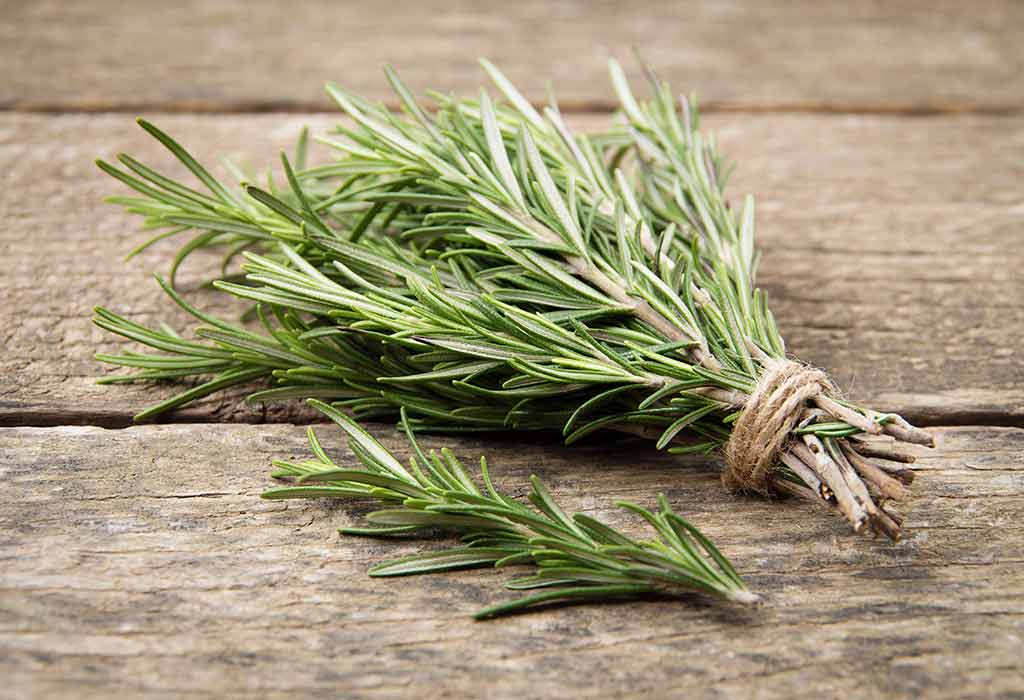
Rosemary is a woody, aromatic herb with needle-like leaves and a distinctly pine-like fragrance. It is widely used in Mediterranean cooking, particularly with roasted meats, vegetables, and breads. Rosemary is also known for its remarkable memory-boosting and concentration-enhancing properties.
6. Thyme
Thyme is a delicate herb with tiny leaves and a warm, earthy flavour that pairs beautifully with a wide range of dishes. It is a staple ingredient in European cuisines and is commonly used in soups, stews, marinades, and roasted dishes. Thyme is also widely recognised for its powerful antibacterial and immune-boosting properties.
7. Oregano
Oregano is a bold, aromatic herb with a slightly bitter, peppery flavour, most commonly associated with Italian and Greek cuisines. It is a key ingredient in pizza sauces, pasta dishes, and salad dressings, and is equally delicious when used fresh or dried. Oregano is also celebrated for its powerful antioxidant and antimicrobial properties.
8. Sage
Sage is a soft, velvety herb with a strong, earthy flavour and a distinctive musty aroma. It is widely used in stuffings, butter sauces, and meat dishes, and is particularly popular in British and Italian cuisines. Sage has long been valued for its medicinal properties, including its ability to support memory and brain health.
9. Chives
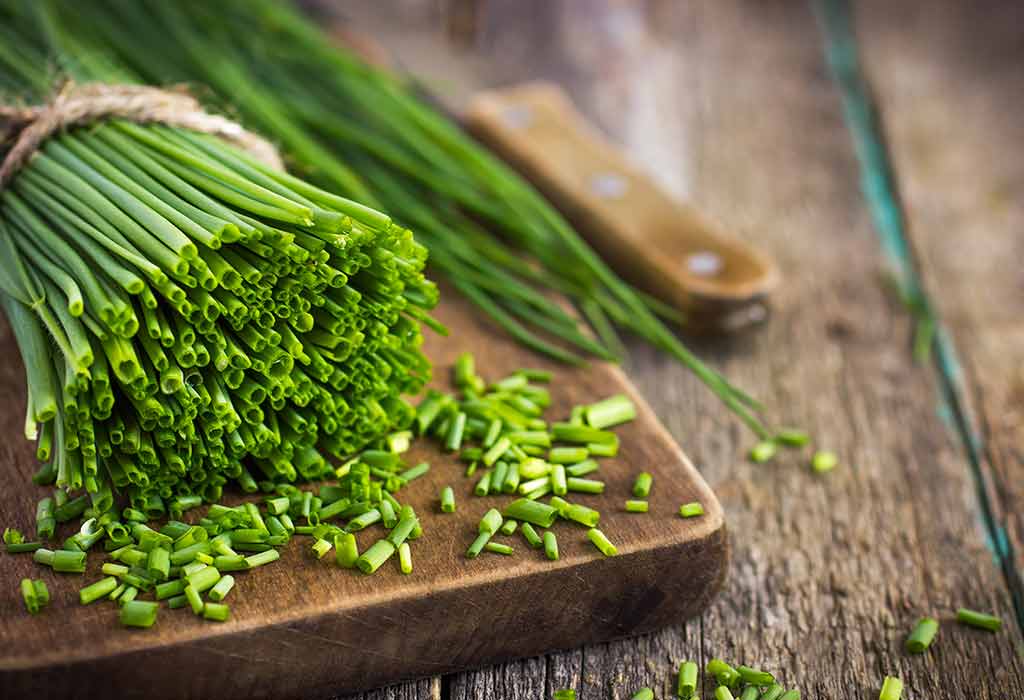
Chives are slender, grass-like herbs with a mild onion flavour that add a subtle, delicious kick to a variety of dishes. They are commonly used as a garnish on soups, baked potatoes, omelettes, and salads, and are particularly popular in European cuisines. Chives are also a good source of vitamins A and C, making them a healthy addition to any meal.
10. Dill
Dill is a feathery, delicate herb with a fresh, slightly tangy flavour, widely used in pickling, seafood dishes, and salad dressings. It is particularly popular in Scandinavian, Eastern European, and Middle Eastern cuisines. Dill is also known for its digestive benefits and has been used as a natural remedy for bloating and indigestion for centuries.
Name Of Spices For Kids
Spices are what make every dish truly come alive with warmth, colour, and incredible flavour! Below is a wonderful guide to spice names, with images that will help kids discover and learn about some of the most popular and exciting spices from around the world.
1. Cinnamon
Cinnamon is a warm and sweet spice made from the dried bark of a tropical tree and is one of the most beloved spices in the world. It is widely used in baked goods, desserts, and hot drinks, and has a distinctly sweet, woody aroma that is instantly recognisable. Cinnamon is also known for its powerful anti-inflammatory and blood sugar-regulating properties.
2. Turmeric
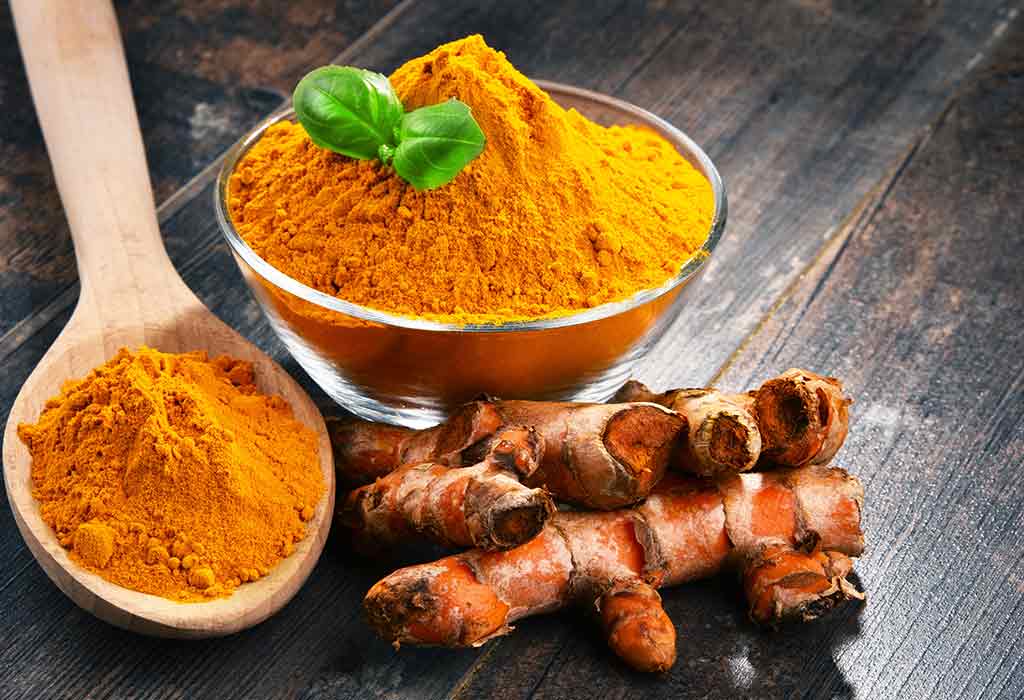
Turmeric is a bright yellow spice with a warm, slightly bitter flavour, a staple ingredient in Indian and Southeast Asian cuisines. It is most commonly used in curries, rice dishes, and golden milk, and is responsible for the vibrant yellow colour of many dishes. Turmeric is widely celebrated for its remarkable anti-inflammatory and healing properties.
3. Cumin
Cumin is a warm, earthy spice with a nutty and slightly spicy flavour that is widely used in Indian, Middle Eastern, and Mexican cuisines. It is a key ingredient in spice blends such as curry powder and garam masala, and is equally delicious when used whole or ground. Cumin is also known for its excellent digestive and immune-boosting properties.
4. Paprika
Paprika is a vibrant red spice made from dried and ground red peppers, with a flavour that ranges from mild and sweet to rich and smoky. It is widely used in Hungarian, Spanish, and Middle Eastern cuisines as a popular ingredient in stews, marinades, and spice rubs. Paprika is also a rich source of antioxidants and vitamins, particularly vitamin A.
5. Black Pepper
Black pepper is one of the most widely used spices in the world, known for its sharp, pungent flavour and warm, spicy kick. It is a versatile spice that enhances virtually every savoury dish, from soups and salads to meats and marinades. Black pepper is also known for its impressive digestive and anti-inflammatory benefits.
6. Cardamom
Cardamom is a fragrant spice with a sweet, floral flavour and a hint of mint, widely used in Indian, Middle Eastern, and Scandinavian cuisines. It is a popular ingredient in chai tea, desserts, and rice dishes, and is one of the most prized and aromatic spices in the world. Cardamom is also well known for its digestive and breath-freshening properties.
7. Cloves
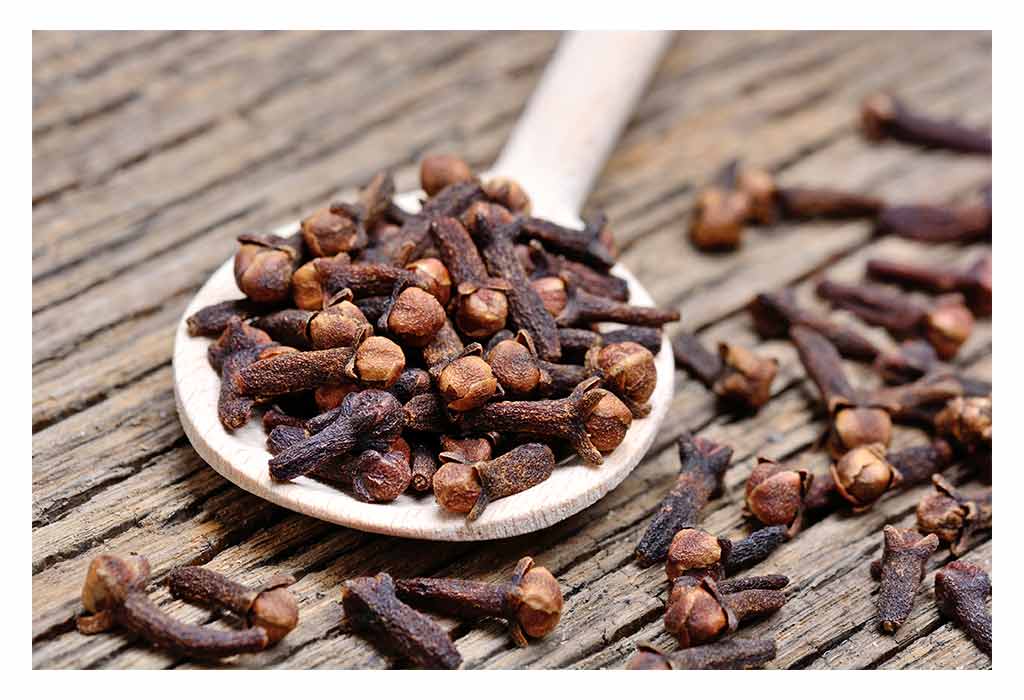
Cloves are small, dark, and intensely aromatic spice buds with a warm, sweet, and slightly bitter flavour. They are widely used in both sweet and savoury dishes, including curries, rice, and baked goods, and are a key ingredient in many spice blends. Cloves are also widely recognised for their powerful antibacterial and pain-relieving properties.
8. Nutmeg
Nutmeg is a warm, sweet, and slightly nutty spice derived from the seed of a tropical evergreen tree. It is widely used in baked goods, desserts, creamy sauces, and warm beverages, and pairs beautifully with both sweet and savoury flavours. Nutmeg is also known for its calming properties and has long been used as a natural remedy for insomnia.
9. Chilli Powder
Chilli powder is a bold, fiery spice made from dried, ground chilli peppers and is one of the most widely used spices worldwide. It is a key ingredient in Indian, Mexican, and Asian dishes, adding fierce heat and vibrant colour to curries, sauces, and marinades. Chilli powder is also known for its metabolism-boosting and circulation-improving properties.
10. Saffron
Saffron is one of the most precious and expensive spices in the world, derived from the delicate stigmas of the saffron crocus flower. It has a distinctive floral, honey-like flavour and imparts a beautiful golden colour to any dish it is added to. Saffron is widely used in biryanis, risottos, and desserts, and is celebrated for its powerful antioxidant and mood-enhancing properties.
Other Herbs And Spices Names
Beyond the most commonly known varieties, there is a whole world of exciting herb and spice names waiting to be discovered. Here is a look at some more wonderful herbs and spices that are worth knowing about and experimenting with in the kitchen.
Herbs
- Tarragon
- Bay Leaves
- Lemongrass
- Marjoram
- Fennel
- Lavender
- Chervil
- Sorrel
- Borage
- Lemon Balm
- Savory
- Lovage
- Hyssop
- Chamomile
- Epazote
- Shiso
- Kaffir Lime Leaves
- Curry Leaves
- Pandan
- Vietnamese Coriander
Spices
- Coriander Seeds
- Mustard Seeds
- Fenugreek
- Star Anise
- Allspice
- Mace
- Sumac
- Caraway Seeds
- Asafoetida
- Vanilla
- Juniper Berries
- Nigella Seeds
- Ajwain
- Annatto
- Galangal
- Tamarind
- Amchur
- Mahlab
- Grains Of Paradise
- Long Pepper
- Szechuan Pepper
- White Pepper
- Smoked Paprika
- Onion Powder
- Garlic Powder
- Dried Ginger
- Celery Seeds
- Poppy Seeds
- Sesame Seeds
- Kokum
Tips To Teach Kids The Names Of Herbs and Spices
Teaching children about herbs and spices can be an incredibly fun and rewarding experience when approached in the right way. Here are some simple, creative tips to make learning the names of herbs and spices an enjoyable adventure for your little ones.
- Start With The Familiar — Begin by introducing children to herbs and spices they have already encountered in their everyday meals, such as cinnamon, mint, and black pepper, before gradually moving on to more exotic varieties.
- Make It A Sensory Experience — Encourage children to smell, touch, and even taste different herbs and spices, as engaging all their senses makes the learning experience far more memorable and enjoyable.
- Grow A Mini Herb Garden — Getting children involved in growing their own herbs at home or at school is a wonderful hands-on way to help them learn the names and appearances of different herbs in a fun and meaningful way.
- Use Flashcards And Worksheets — Colourful flashcards and engaging worksheets with pictures are a fantastic tool for helping children visually recognise and remember the names of different herbs and spices.
- Cook Together — Involving children in simple cooking activities and encouraging them to identify and add herbs and spices to dishes is one of the most effective and enjoyable ways to reinforce their learning in a real-life context.
Facts About Herbs And Spices For Kids
Did you know that herbs and spices have some truly amazing stories behind them? From ancient remedies to incredible culinary secrets, here are some fascinating facts that will leave your little ones wide-eyed with wonder.
- The word “spice” comes from the Latin “species,” which meant a valuable commodity, reflecting just how prized these ingredients were in ancient times.
- Cloves were used as a breath freshener in ancient China, where courtiers were required to hold them in their mouths before speaking to the emperor.
- Fennel was hung over doorways in medieval Europe, believed to ward off evil spirits and bring good luck to the household.
- Coriander seeds have been found in ancient Egyptian tombs dating back over 3,000 years, suggesting they were considered valuable enough to take into the afterlife.
- Vanilla is the second most expensive spice in the world after saffron, and each vanilla flower must be pollinated by hand within 12 hours of blooming.
- Cardamom is Guatemala’s national spice, and it is the world’s largest producer of this fragrant spice outside India.
- Bay leaves were used to crown victorious athletes and war heroes in ancient Greece and Rome, where the phrase “resting on your laurels” originated.
- Rosemary has long been associated with memory and remembrance, and ancient Greek students would wear rosemary garlands in their hair whilst studying for examinations.
- Lemongrass is so effective at repelling mosquitoes that it is used as a natural ingredient in many insect repellents and outdoor candles.
- Lavender was used by the ancient Romans to scent their baths, beds, and clothes, and, in fact, the word “lavender” is derived from the Latin “lavare,” meaning “to wash.”
FAQs
1. What Is The Best Way For Kids To Remember The Names Of Herbs And Spices?
The best way for children to remember the names of herbs and spices is to engage with them regularly through fun activities such as smell-and-taste tests, flashcards, and colouring worksheets. The more children interact with herbs and spices hands-on, the easier it becomes to remember their names and properties.
2. What Are Some Creative Ways To Practise Writing The Names Of Herbs And Spices?
Children can practise writing the names of herbs and spices in a variety of creative ways, such as making their own illustrated herb and spice dictionary, labelling kitchen jars, or creating colourful posters for their bedroom or classroom. These activities make writing practice feel less like a chore and more like a fun and rewarding creative project.
3. Are There Any Fun Games That Can Help Kids Learn About Herbs And Spices?
Yes, there are plenty of fun games that can make learning about herbs and spices exciting for children. Smell-and-guess games, matching games, word searches, and crossword puzzles are all wonderful ways to help children learn and remember the names of different herbs and spices in an enjoyable, stress-free way.
4. How Can Parents Incorporate Herbs And Spices Into A Child’s Daily Learning Routine?
Parents can easily incorporate herbs and spices into a child’s daily learning routine by involving them in cooking, gardening, and simple science experiments at home. Even something as simple as asking a child to identify a spice by its smell or pick fresh herbs from the garden can make a big difference to their learning and development.
Herbs and spices are a truly fascinating and flavourful part of the world that children will absolutely love exploring. From the warmth of cinnamon to the freshness of mint, each herb and spice has its own unique story, flavour, and set of benefits that make it special. By introducing children to herbs and spices early on, parents and educators can help nurture a lifelong curiosity for cooking, nature, and the world around them. We hope this guide has been a helpful and enjoyable resource for both children and grown-ups alike, and that it inspires your little ones to explore the wonderful world of herbs and spices with enthusiasm and confidence.
Also Read:
Fruit Names in English for Kids
Vegetable Names for Children in English
Animal Names in English for Kids to Learn