

Are you unsure how to talk about space with your child? Teaching kids the planets’ names in English can encourage curiosity, inspire a love for astronomy, and support learning.
Thank you for reading this post, don't forget to subscribe!
Children are already fascinated by space, especially the moon and stars, as they are sung to in poems like “Twinkle, Twinkle Little Star”. But they must also be taught space vocabulary beyond stars and the moon. A great way to build on that natural wonder is to introduce the names of the planets early, through stories or simple activities.
As they grow more comfortable, encourage your child to list the planets in order — you can turn it into a game, a drawing exercise, or a bedtime quiz.
Below, we have covered some important questions about the solar system, along with easy activities to help your child learn the names of all the planets, making space exploration both fun and educational.
What Is Our Solar System?
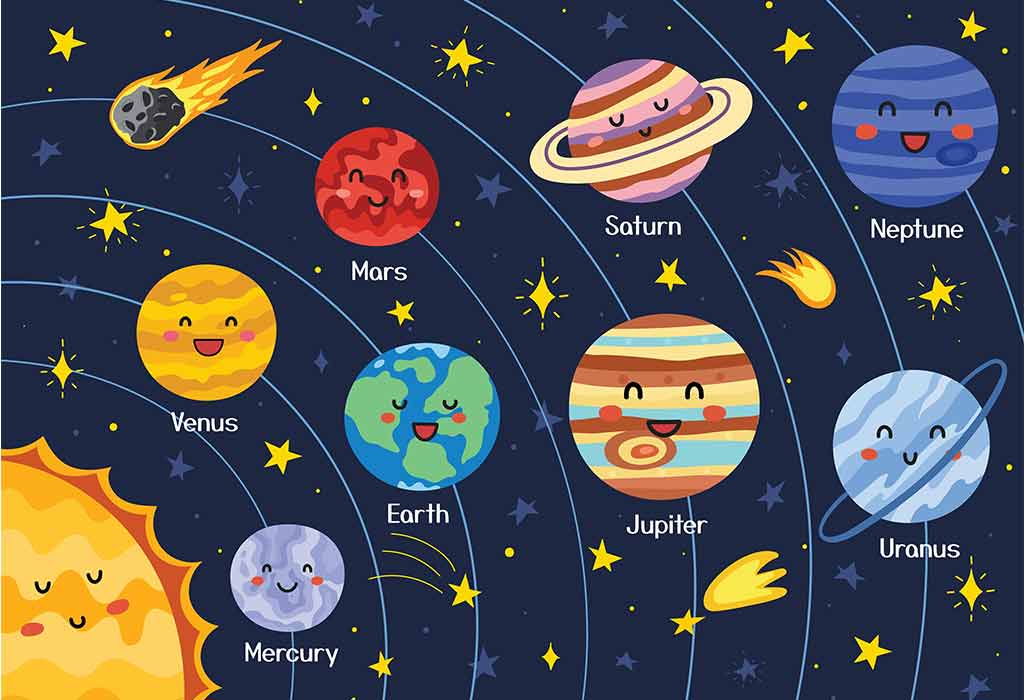
The solar system derives its name from the Sun, which is called ‘Sol’ in Latin. The universe consists of planets, moons, asteroids, comets, stars, and additional celestial bodies that remain undiscovered. Collectively, these components form a system, hence the term ‘solar system.’ According to scientific consensus, the solar system formed over four billion years ago, following the Big Bang.
What Is A Planet?
Planets are large bodies that orbit the Sun. There are a total of eight planets in our solar system, along with other small planets. Most of the planets orbit the Sun in circular orbits. Planets also have a layer of gases surrounding them, and most of the planets have at least one moon.
Scientists spent a lot of time defining a planet. In 2006, they came up with this definition – they said a planet must do three things:
- It must orbit around the Sun.
- It should be large enough to exert sufficient gravity to force it into a spherical shape.
- It should be big enough that its gravity cleared away any other objects of similar size near its orbit around the Sun.
Why It Is Important For Kids To Learn About Planets?
Learning about planets can be both exciting and a little confusing for children. Planetary science—the study of planets—is a rapidly growing field that sparks curiosity and fosters a love for exploration. It’s important for children to learn about planets, not only to expand their knowledge but also to inspire wonder and encourage critical thinking. Here are some key reasons why teaching our little ones about planets matters:
- It will help them to appreciate the planet we live on, Earth.
- It provides incentives for them to preserve and respect natural resources.
- It will help them to understand important topics like global warming.
- It will help them discover information and fascinating facts about different planets.
List Of Planets In Our Solar System
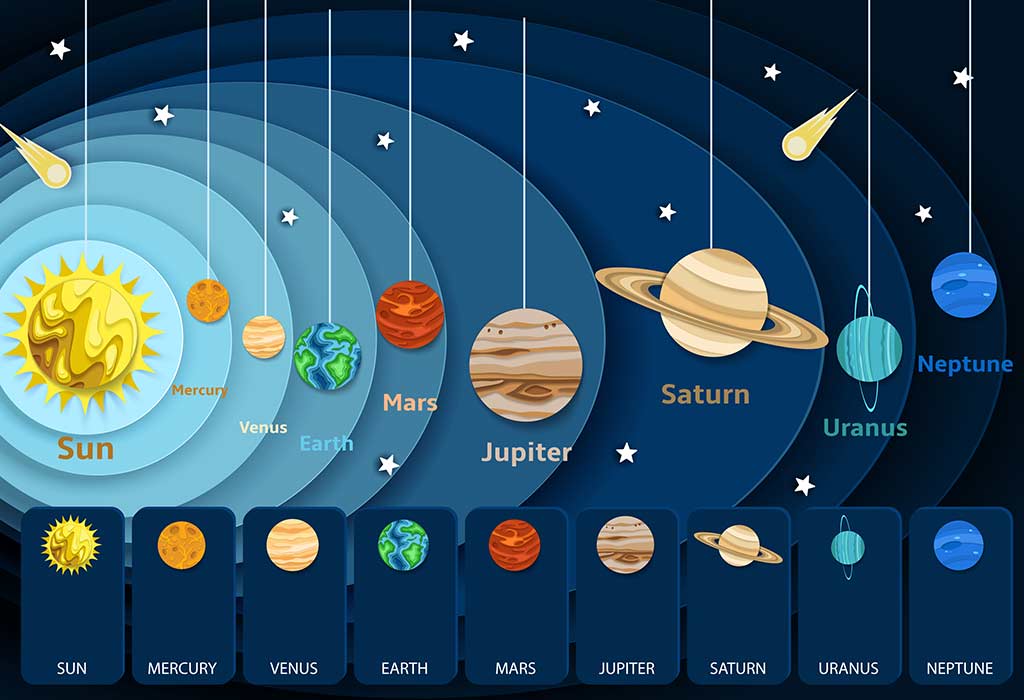
Learning all the names of the planets can be fun for children. Below, we have covered all the planet’s names that you can teach your child. Let’s look at them.
1. Mercury
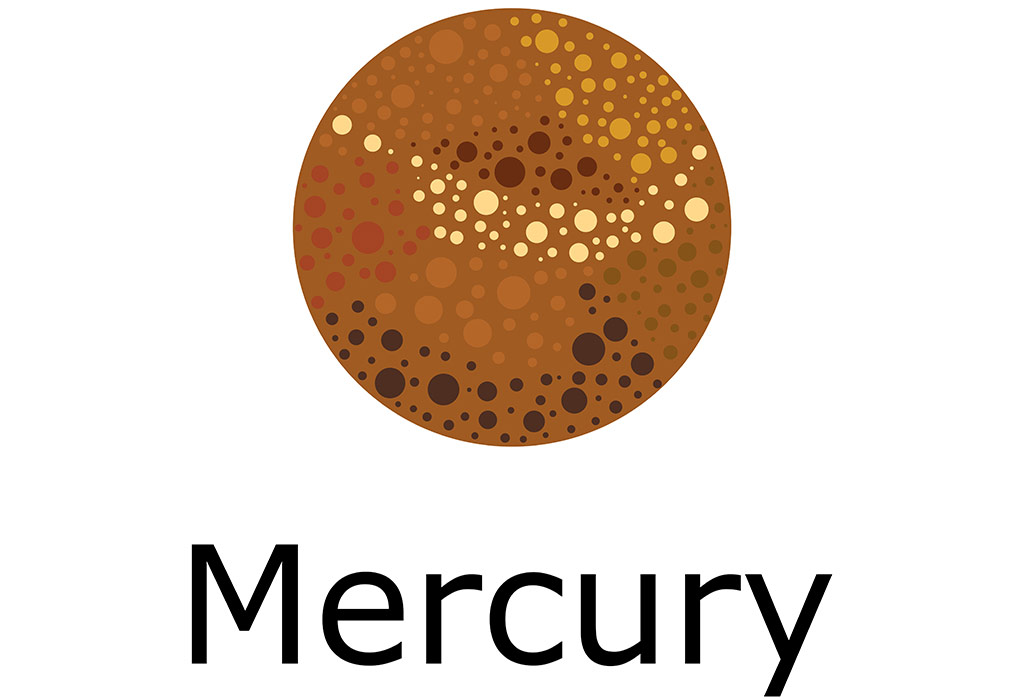
The first planet, Mercury, is the closest planet to the Sun. It has a rocky surface covered in craters and experiences extreme temperature changes between day and night. Mercury has no atmosphere to retain heat, and a year on Mercury lasts just 88 Earth days.
2. Venus
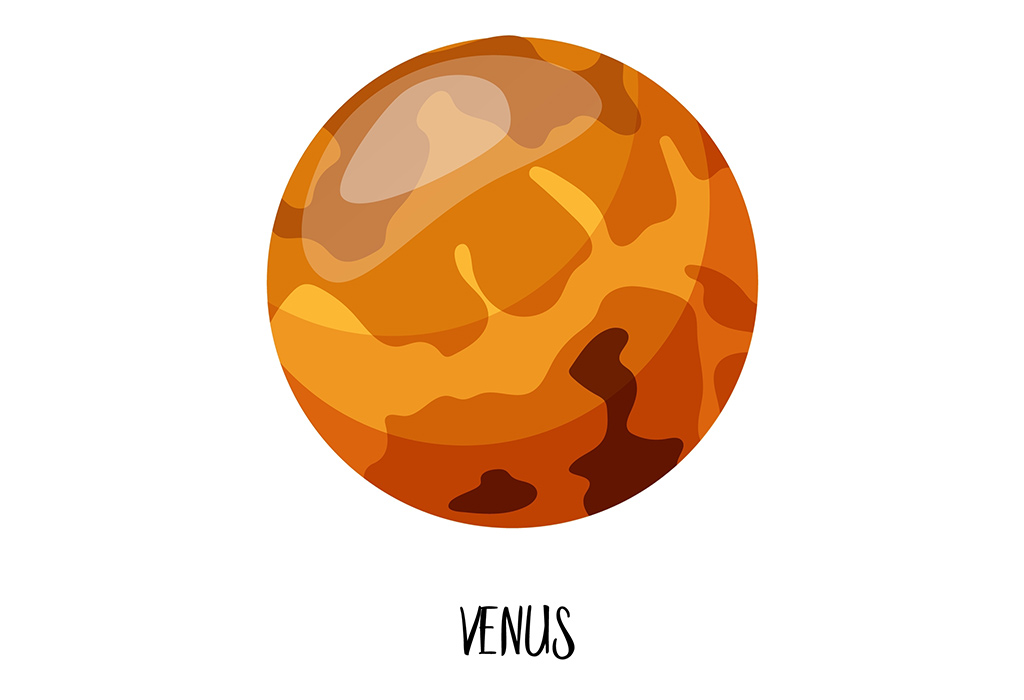
heat, making it the hottest planet in our solar system, and its surface is covered with volcanoes and mountains. Venus is often called Earth’s twin, but its clouds rain acid and surface pressure is crushingly high.
3. Earth
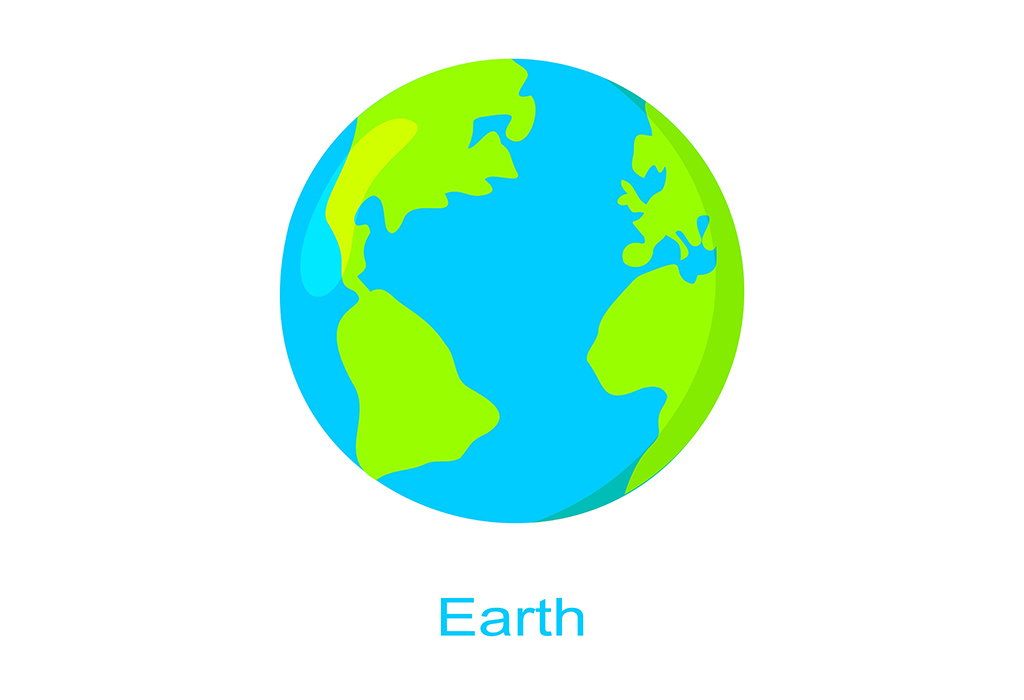
Earth is the planet we live on. It is the only planet known to support life, with vast oceans, continents, and a protective atmosphere that makes it unique in the solar system. Earth’s climate and diverse habitats allow millions of species to thrive, from deep oceans to high mountains.
4. Mars
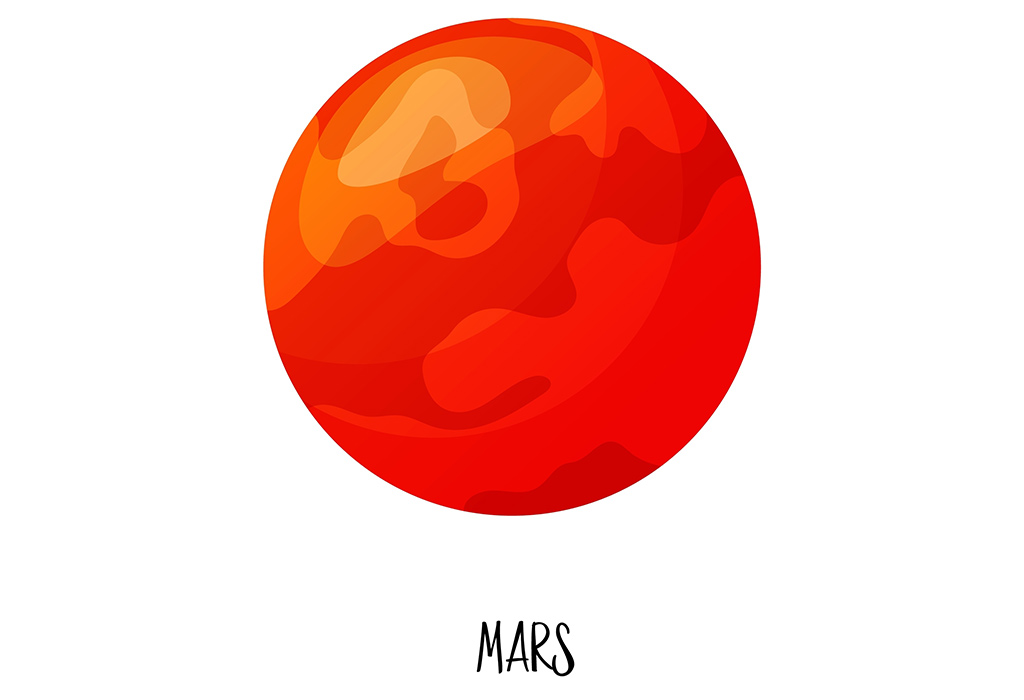
Mars, or the Red Planet, is the fourth planet from the Sun. Known for its reddish colour, Mars has the largest volcano and canyon in the solar system, and scientists believe it once had liquid water on its surface. Mars has seasons, polar ice caps, and is a main target in the search for life beyond Earth.
5. Jupiter
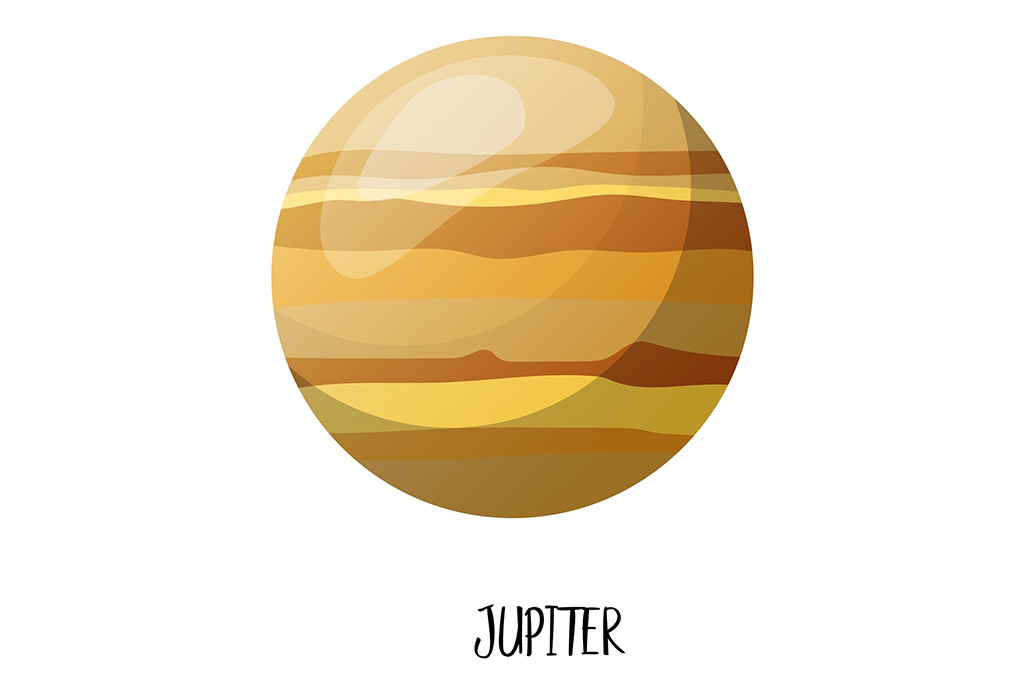
The fifth planet, Jupiter, is the biggest in our solar system. It is a gas giant with a famous Great Red Spot—a giant storm—and has dozens of moons orbiting around it. Jupiter’s powerful magnetic field and swirling cloud bands make it a fascinating planet to study.
6. Saturn
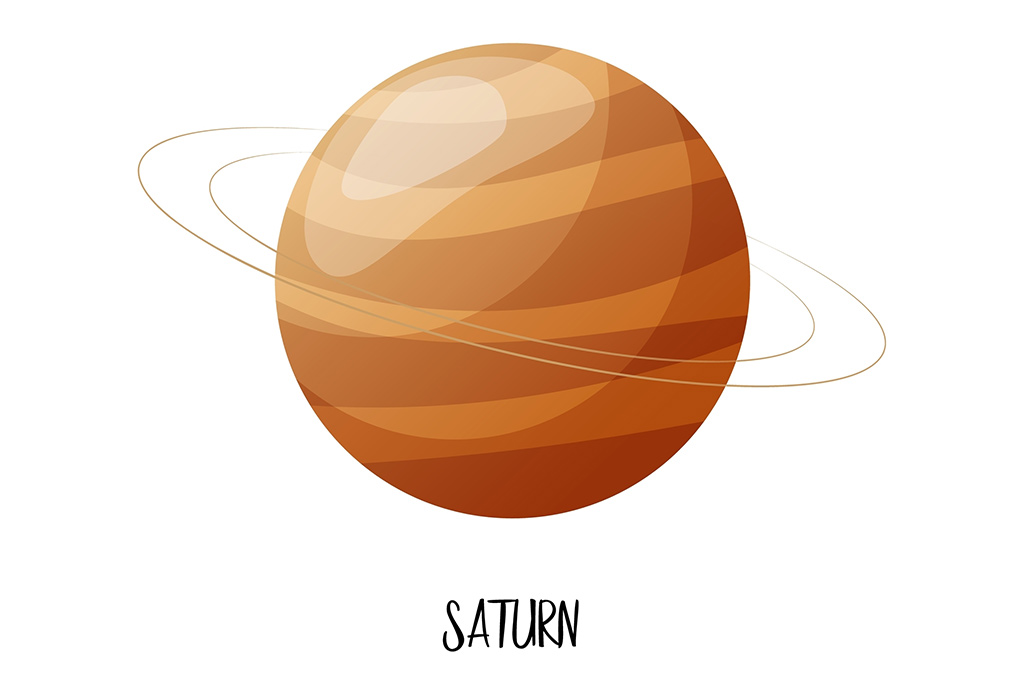
A system of rings surrounds the planet Saturn. These rings are made of ice and rock particles and are divided into thousands of thin bands, making Saturn one of the most beautiful and recognisable planets in the night sky. Saturn is so light it would float in water, and its largest moon, Titan, has lakes of liquid methane.
7. Uranus
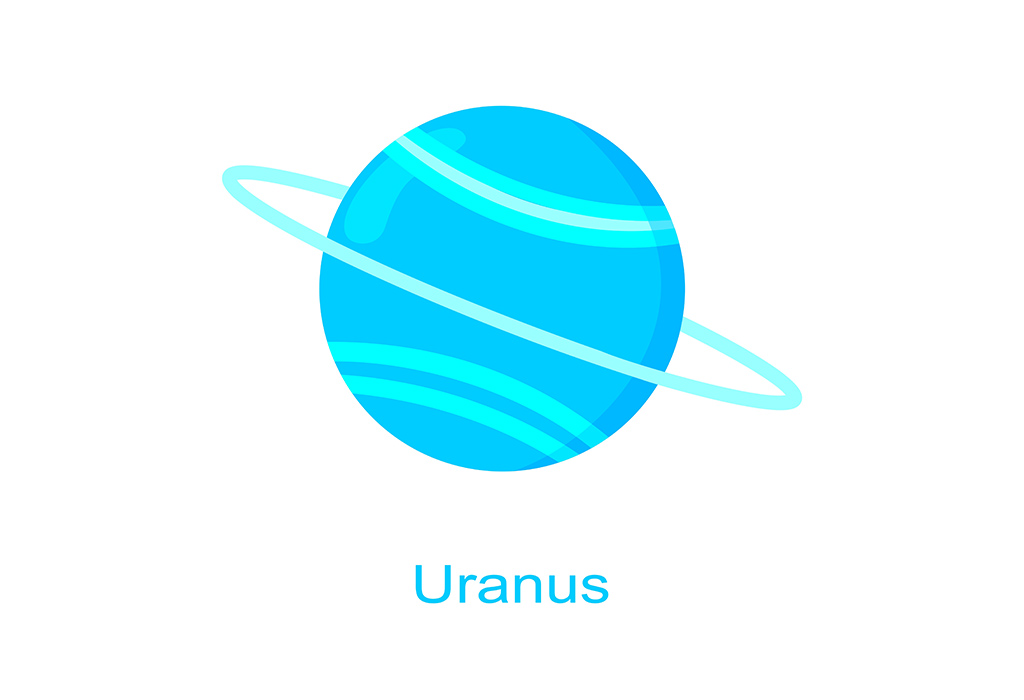
The planet Uranus rolls rather than spins. This unique tilt makes its seasons last over 20 years each, and it appears blue-green due to methane gas in its atmosphere. Uranus is an icy giant with faint rings and at least 27 moons.
8. Neptune
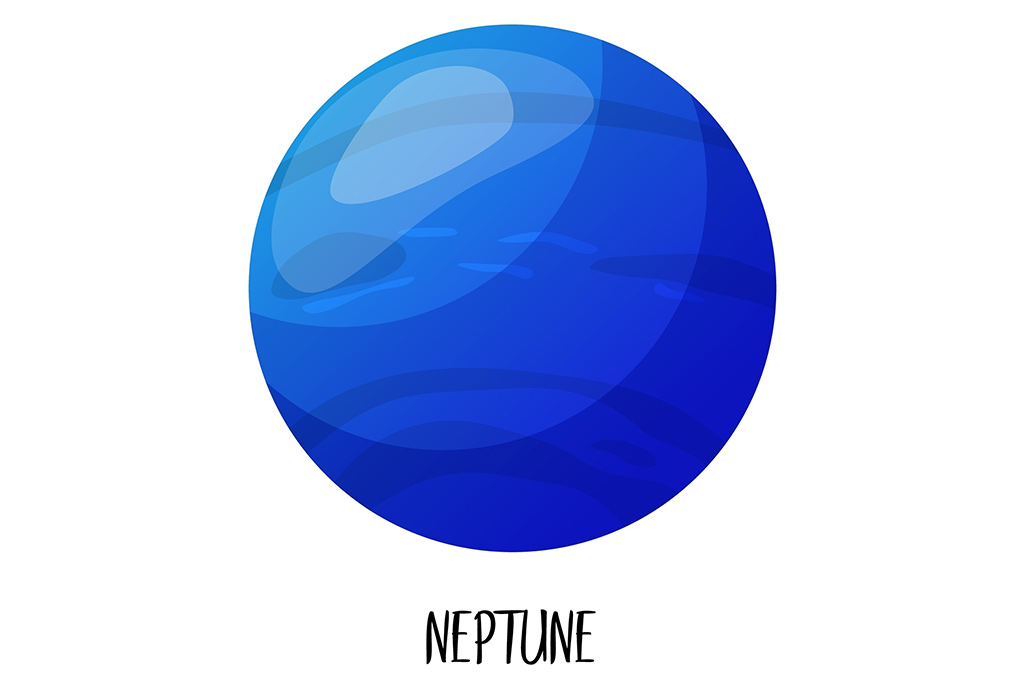
The planet Neptune is the furthest from the Sun. This blue planet is known for its strong winds and storms, and it has a faint ring system and 14 known moons. Neptune’s largest moon, Triton, orbits in the opposite direction to its planet’s rotation.
Other Vocabulary About Space And The Universe
Space, or our universe, is not just limited to the Sun, moons, stars and planets. There are other things present in our universe as well, beyond learning all the planet names in order. Some of these are also artificial, like artificial satellites. Let’s have a look at some vocabulary about space and the universe.
| Moon | Satellites | Astronaut |
| Sky | Sun | Asteroids |
| Asteroid Belt | Atmosphere | Black Hole |
| Cosmology | Milky Way | Eclipse |
| Orbit | Comet | Shooting Star |
| Dwarf Planets | Spacecraft | Light Year |
| Space Shuttle | Galaxy | Space Station |
| Telescope | Equator | Constellation |
| Crater | Hemisphere | Nebula |
| Flares | Cosmic Dust | Meteor |
| Starburst | Rocket | Space Suit |
Activities That Will Help Your Child Learn/Remember Planet Names
Learning the names of planets in the solar system is easier and more fun with interactive activities. The following ideas will help children remember the names of the planets while enjoying the learning process.
1. Teach With Flashcards
Take a printout of planets and paste them on flashcards. Show each planet one by one to your child and tell them the name of the planet. After some time, quiz your little one by showing them the planet flashcards and asking them the name of each planet.
2. Draw A Planet
All children love to draw and colour. So, why not make their drawing time learning time as well? Show your child images of planets in a book or on the phone, and ask them to draw and colour them.
3. Teach With A Poem
We all love singing nursery rhymes. They are entertaining and easy to remember. Below, we have mentioned a rhyme related to planets that you can use to teach your child.
4. Planet Roll Call
Eight planets around the Sun,
Listen as I call each one:
Mercury? Here! Number one,
Closest planet to the Sun.
Venus? Here! Number two,
Shining bright, just like new!
Earth? Here! Number three,
Earth is home to you and me.
Mars? Here! Number four,
Red and ready to explore!
Jupiter? Here! Number five,
Largest planet, that’s no jive.
Saturn? Here! Number six,
With rings of dust and ice that mix.
Uranus? Here! Number seven,
A planet tilted high in heaven.
Neptune? Here! Number eight,
With one large dark spot.
5. Name The Next Planet
This is a great game for teaching your child about the order of the planets. First, tell them the names of all planets in order. Next, say the name of any planet, and your child has to tell the name of the planet that comes after it. For example, if you say Earth, your child has to say Mars.
Interesting Facts About Planets For Kids
Now that your child knows all 8 planets’ names, it’s time to tell them some interesting facts related to these planets.
- Jupiter is the biggest planet, and Mercury is the smallest.
- The Earth rotates as it orbits the Sun. One day = One complete rotation. It takes 365 rotations to complete a whole year.
- The ring particles of Saturn are made almost entirely of water ice particles.
- Before humans explored the Earth, everyone thought it was flat. But all planets in the Solar System are shaped like balls.
- Each planet has different characteristics. Earth is made up of rock, but Jupiter is made of gas!
- Venus is the hottest planet, with an average temperature of 460°C.
- Uranus is the coldest planet. It has an average temperature of -220°C.
- The planet Earth is the only one we know of that has living creatures, although we’re still searching for life on other planets!
- All the planets are named after Roman and Greek Gods/Goddesses, except Earth, meaning ‘ground’ in Old Germanic English.
- Mercury is a bright planet, and it can be seen from Earth without a telescope.
- Mercury and Venus are the only two planets in our solar system without any moons.
- The planet Venus can be seen with the naked eye from Earth.
- Pluto was considered the 9th planet of the Solar System until it was discovered in 2006 that it had become gravitationally dominant and is now known as a dwarf planet. So now, the Solar System has only 8 planets.
FAQs
1. What Is the Easiest Way to Remember All the Planet Names?
One of the most popular tricks is using a mnemonic—a fun sentence whose first letter matches the first letter of each planet in order. For example, “My Very Educated Mother Just Served Us Nachos” gives you Mercury, Venus, Earth, Mars, Jupiter, Saturn, Uranus, and Neptune. You can even make up your own silly sentence with your child to make it more memorable.
2. How Can I Help My Child Practise Writing the Planet Names?
A great starting point is to have your child trace the planet names in large, clear letters before attempting to write them independently. You can create simple worksheets with dotted text for tracing, or use a whiteboard so they can practise repeatedly without wasting paper. Pairing each name with a drawing of the planet makes the activity more engaging and helps the spelling stick.
3. Are There Any Songs That Help Kids Learn the Planet Names?
Yes! There are several child-friendly planet songs available on platforms like YouTube that set the names of planets to catchy, easy-to-remember tunes. Singing along regularly is a surprisingly effective way for young children to learn the correct order and spelling of the planets, especially for auditory learners.
4. In What Order Should Children Learn the Planet Names?
It is generally best to teach the planets in their order from the Sun, starting with Mercury and ending with Neptune. Learning them in sequence gives children a sense of structure and makes it easier to recall them later. Once they are confident with the order, you can introduce additional facts about each planet one at a time.
Space is a subject that never gets old — there is always something new to discover, wonder about, and explore. We hope this guide has been a helpful starting point for you and your child. Now that you are familiar with the names of planets in the solar system and have picked up some fascinating facts along the way, the real adventure is just beginning.
Keep the curiosity alive by revisiting these topics often, exploring books, videos, and activities together, and encouraging your child to ask questions. The more they explore, the deeper their love for science and discovery will grow.
Also Read:
Shape Names for Kids
Season of the Year for Children
Fruit Names in English for Kids