

Young children are introduced to pre-mathematics concepts to help their developing minds explore and build a meaningful understanding of the world around them. The full and empty concept is one such foundational idea embedded in our everyday lives — from sorting and counting to measuring and analysing. Remarkably, children begin developing these skills naturally long before they are formally taught, simply by exploring their surroundings through activities such as sorting objects, drawing, and playing with building blocks.
Thank you for reading this post, don't forget to subscribe!
With this in mind, this article takes a closer look at the full and empty concept, tailored specifically for kindergarten children. We have also suggested a range of fun, hands-on activities to help young learners grasp this concept effortlessly. Let us begin by understanding what “full” and “empty” truly mean.
What Is Full And Empty?
Before diving into activities, it is important that children first understand what these terms mean. Let us take a closer look at what “full” and “empty” mean in simple, everyday terms.
Full
Full means containing or holding as much or as many as possible, leaving no room for anything more. In other words, when something is completely filled with no space remaining, it is said to be full. A basket filled with fruit or a glass filled with water is a perfect everyday example of something that is full.
Empty
Empty means containing absolutely nothing, with no objects or substances inside. In other words, when something has no contents whatsoever, it is said to be empty. A basket with nothing in it or a glass with no water is a clear, simple example of something empty.
Examples Of Full And Empty For Children
In order to make this concept easy for children to understand, we have covered some examples of full and empty below. Let’s take a look at them.
Full Examples
Example 1
Take a look at the image given below.
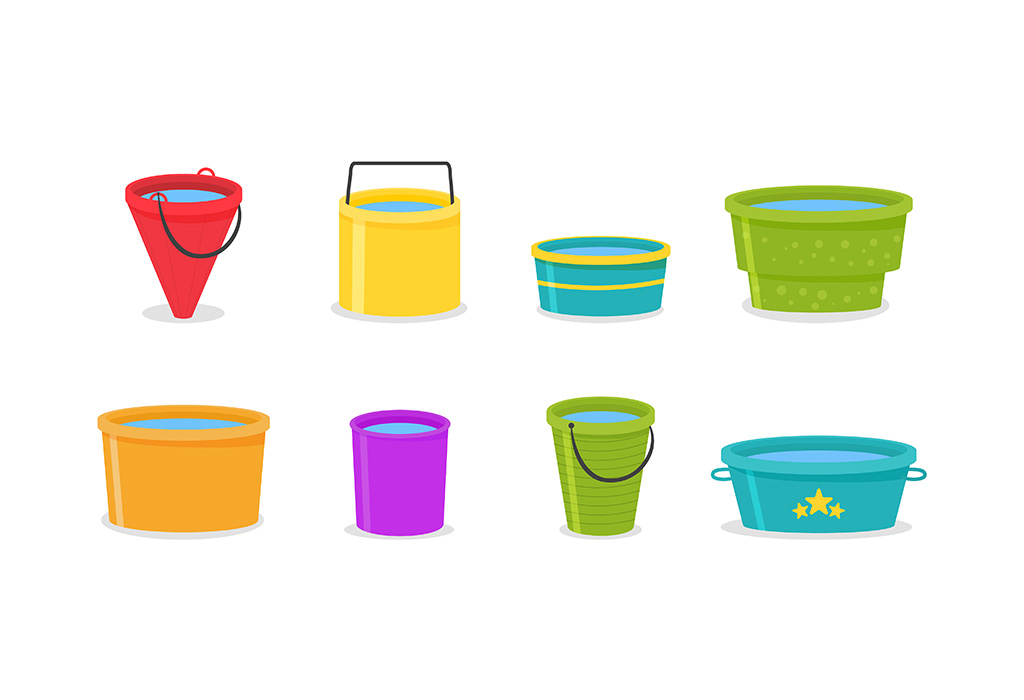
In this image, all the containers are full.
Example 2
Take a look at the image given below.

In this image, the glass is filled with milk.
Example 3
Take a look at the image given below:

In this image, the bowl is filled with candies.
Empty Examples
Example 1
Take a look at the image given below.
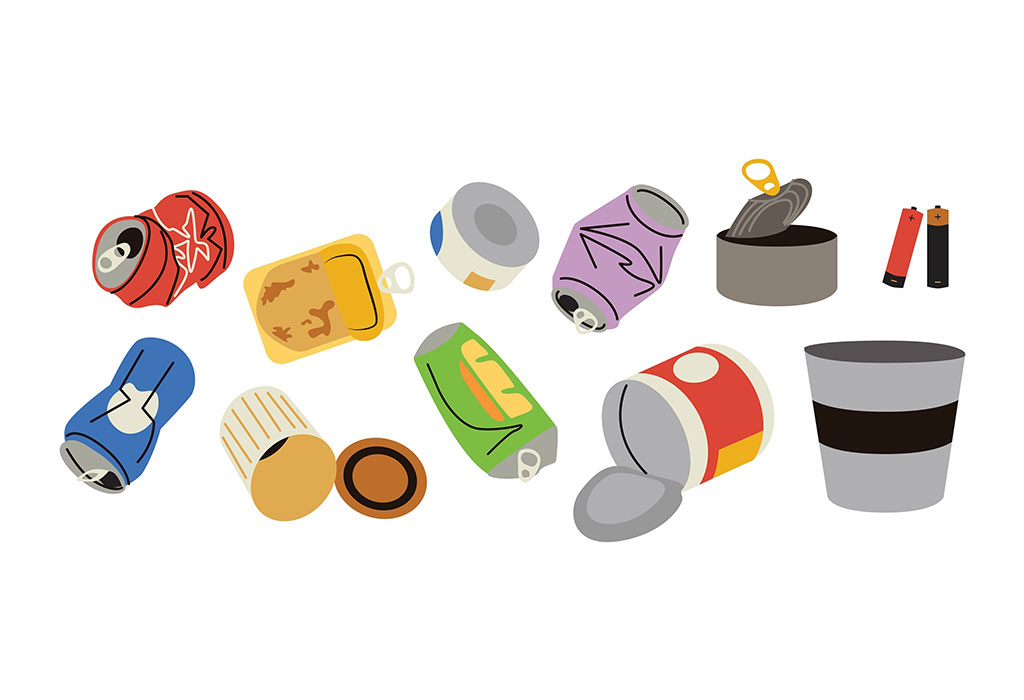
In this image, all the containers are empty.
Example 2
Take a look at the image given below.
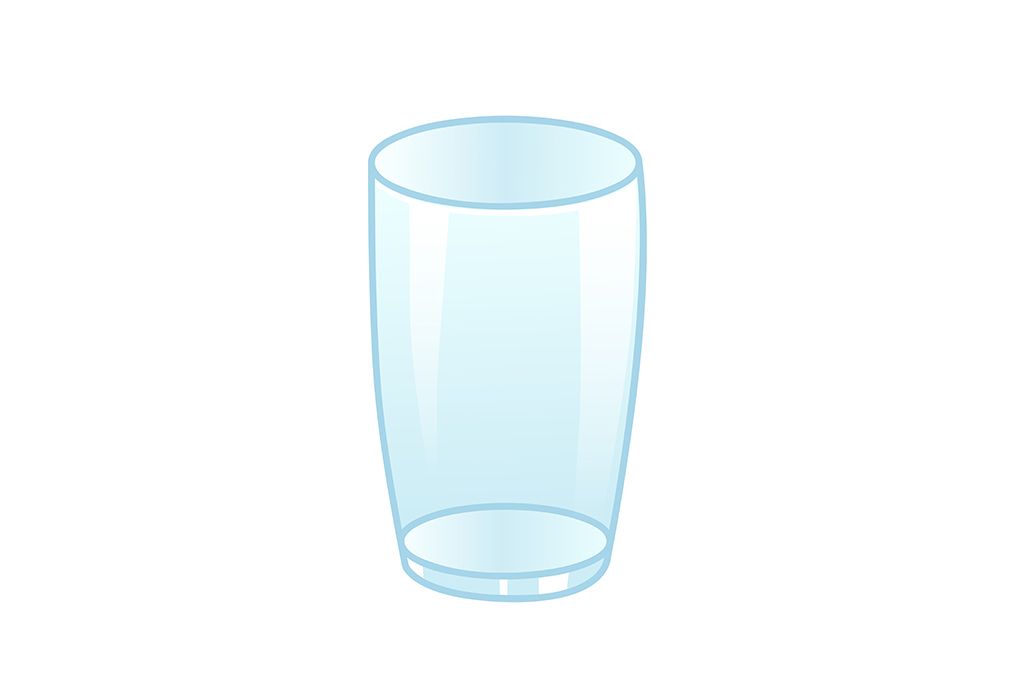
In this image, the glass is empty.
Example 3
In this image, all the containers are empty.
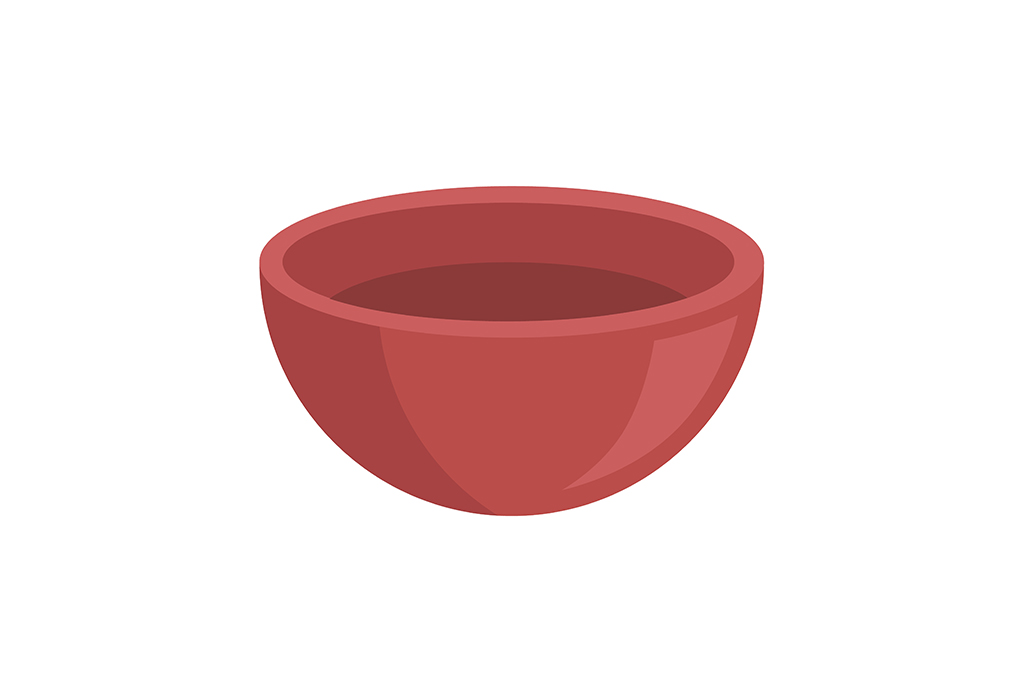
In this image, the bowl is empty.
Activities That Will Help Your Child Learn The Full And Empty Concept
Interactive activities are excellent ways to help children better understand the concepts of full and empty. The full and empty games and activities listed below will help kids identify when to use the words “full” and “empty”. These activities will also help in enhancing their logical and motor skills. Let’s read!
1. Water The Plants
What You Will Need
- Watering can
- Plants
- Water
What to Do
- Hand the watering can to your child. Tell them it’s empty.
- Ask them to fill the watering can with water and tell them it’s now full.
- This way, your kids will learn about the concepts of empty and full.
2. Sensory Bin Game
What You Will Need
- Pop poms of 2 different colours
- 3 empty bowls
What to Do
- Take a bucket and add all the pom poms to it.
- Give the basket to your child and ask them to sort the pom poms by colour into separate bowls.
- After they finish sorting, ask them which bowl is empty and which is full.
3. Fill The Empty Jars
What You Will Need
- Clear jars
- Water
What to Do
- Present your child with two clear jars.
- Show them that the jars are empty and encourage them to say the word ’empty’.
- Now ask your child to pour water into one of the jars until it is full.
- Stop and show your child that the container is now full and encourage them to say the word ‘full’.
- Show them the empty and filled jars and help them understand the difference between empty and full.
Full And Empty Worksheet
Worksheets are a fantastic way for young children to practise and reinforce what they have learnt in the classroom. Try this empty/full worksheet to help your little ones test their understanding of the concept of full and empty in a fun, engaging way.
FAQs
1. How Can I Help My Child Practise The Full And Empty Concept At Home?
You can help your child practise by using everyday objects around the house. Try filling and emptying cups, bottles, or bowls with water, sand, or small toys, and encourage your child to describe what they see using the words full and empty.
2. What Are Some Simple Ways To Teach Children To Write The Words Full And Empty?
Start by helping your child trace the words full and empty on paper, then encourage them to write independently. Using dotted letters or tracing worksheets is a great way to build confidence and improve handwriting skills at an early stage.
3. How Do Worksheets Help Children Understand The Full And Empty Concept?
Worksheets provide a structured and visual way for children to identify and differentiate between full and empty. Activities such as circling, colouring, and matching help reinforce the concept while also developing fine motor skills and pencil control.
4. At What Age Should Children Be Introduced To The Full And Empty Concept?
Children as young as three can begin to understand the concepts of full and empty, as they naturally encounter them in everyday life. However, a formal introduction through activities and worksheets is most effective during kindergarten, typically ages 4-5.
Empty and full are important concepts that kids must understand. Learning about this concept will prove extremely beneficial to your child when they later study it in detail. Teach your little one this concept using the full and empty activities mentioned above, and they will learn it in no time. Happy Learning!
Also Read:
Short and Tall Concept for Preschoolers
Inside and Outside Concept for Kindergarten
Teaching the Concept of Thick and Thin to Preschoolers