


Teaching children about different types of weather is an essential part of their early education, helping them understand the world around them. Building a strong weather vocabulary from a young age allows kids to express what they observe and experience in their environment. As your child grows, they will naturally begin to notice changes in temperature, sky conditions, and seasonal patterns, which is why they must know the names of the weather used in everyday conversations.
Thank you for reading this post, don't forget to subscribe!
Learning weather names in English is especially valuable, as it equips children with the language skills needed to confidently describe sunshine, rain, snow, wind, fog, and many other atmospheric conditions. In this article, we have covered essential weather words for kids, along with fun, engaging activities to help your little one understand and remember them more easily. Whether your child lives in a tropical, cold, or temperate region, understanding weather is a universal and exciting learning experience.
What Is ‘Weather’?
Weather refers to the day-to-day atmospheric conditions of a particular place at a specific point in time. It describes what the air feels and looks like outside, including factors such as temperature, humidity, wind speed, rainfall, and cloud cover. The weather can change from hour to hour or day to day, whereas the climate refers to the long-term patterns of a region.
For example, a sunny morning can quickly turn into a rainy afternoon! Weather plays a significant role in our daily lives, influencing what we wear, how we travel, and the activities we choose to do. Teaching kids to observe and describe the weather around them is a wonderful first step toward understanding the natural world.
Types Of Weather
In this section, we will explore various weather conditions, including sunshine, rain, fog, frost, wind, and snow. Each weather condition plays an important role in shaping our daily lives and the environment around us.
1. Sunny
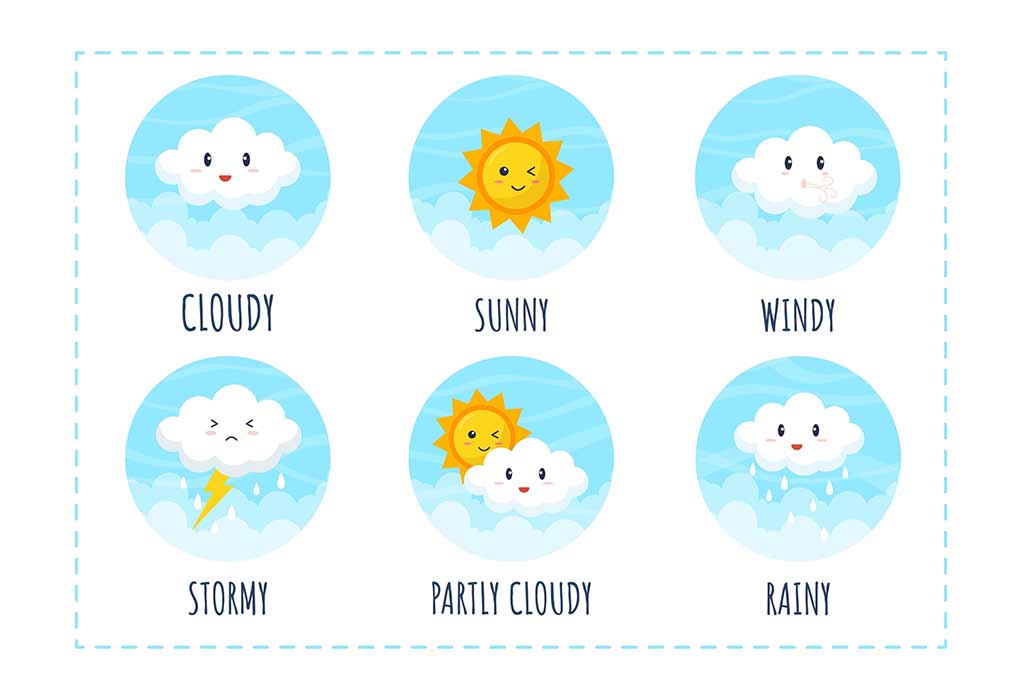
When there are no clouds blocking the sunlight and the temperature is warm and bright, we call it sunny weather. Generally, we experience this type of weather during the Spring or Summer season. It is the most cheerful type of weather, and children can go outside to play, enjoy an outdoor picnic, or simply soak up the sun’s warmth.
2. Cloudy
When clouds gather and block the sun, the weather is called cloudy. Cloudy weather can be warm (with high humidity) or cold (with little to no direct sunlight). This type of weather is quite common during Autumn and Winter and often signals that rain may be on its way.
3. Rainy
When large clouds in the sky release moisture and produce rain, the weather is called rainy. Light rain can feel refreshing, while heavy rainfall can make the surroundings cold and wet. On rainy days, it is advisable to wear a waterproof coat or carry an umbrella to stay dry. Rainy weather is essential for plants, crops, and replenishing water supplies.
4. Snowy
When precipitation falls as snow rather than rain, the weather is called snowy. Low temperatures cause water droplets in clouds to freeze, forming delicate snowflakes that drift to the ground. While snowy weather is extremely cold, many people enjoy fun activities like sledging, building snowmen, and ice skating during this time.
5. Windy
When air moves rapidly from one place to another, we experience wind. A gentle breeze can feel pleasant, especially on a warm day, but strong winds can be powerful enough to knock down trees and cause damage. Windy weather is common during storms and in coastal or open areas.
6. Stormy
Stormy weather is one of the most intense types of weather, characterised by strong winds, heavy rainfall, thunder, and lightning. Storms can develop quickly and can sometimes cause flooding or damage to buildings and trees. It is important to stay indoors and stay safe during a storm.
7. Foggy
When tiny water droplets are suspended in the air near the ground, they create a thick mist that reduces visibility, which we call foggy weather. Fog is most commonly seen in the early mornings during Autumn and Winter. It can make driving and travelling quite difficult and dangerous.
8. Hailing
Hail occurs when frozen raindrops or balls of ice, known as hailstones, fall from the sky during a storm. Hailstones can vary in size from tiny pellets to large chunks of ice and can damage crops, vehSunny, rainy, stormy or windy? Let’s teach kids about different weather conditions and their characteristics that set them apart.icles, and property. Children should stay indoors when it is hailing.
9. Humid
Humid weather occurs when the air contains a high level of moisture or water vapour. It is commonly experienced in tropical regions and during the Summer season. Humid weather can make the temperature feel much hotter than it actually is, often leaving people feeling sticky and uncomfortable.
10. Thunderstorm
A thunderstorm is a type of stormy weather accompanied by thunder (a loud rumbling sound) and lightning (a bright flash of electricity in the sky). Thunderstorms are usually short-lived but very intense, bringing heavy rain and strong winds. Children should always seek shelter indoors during a thunderstorm.
Weather Vocabulary Words For Children
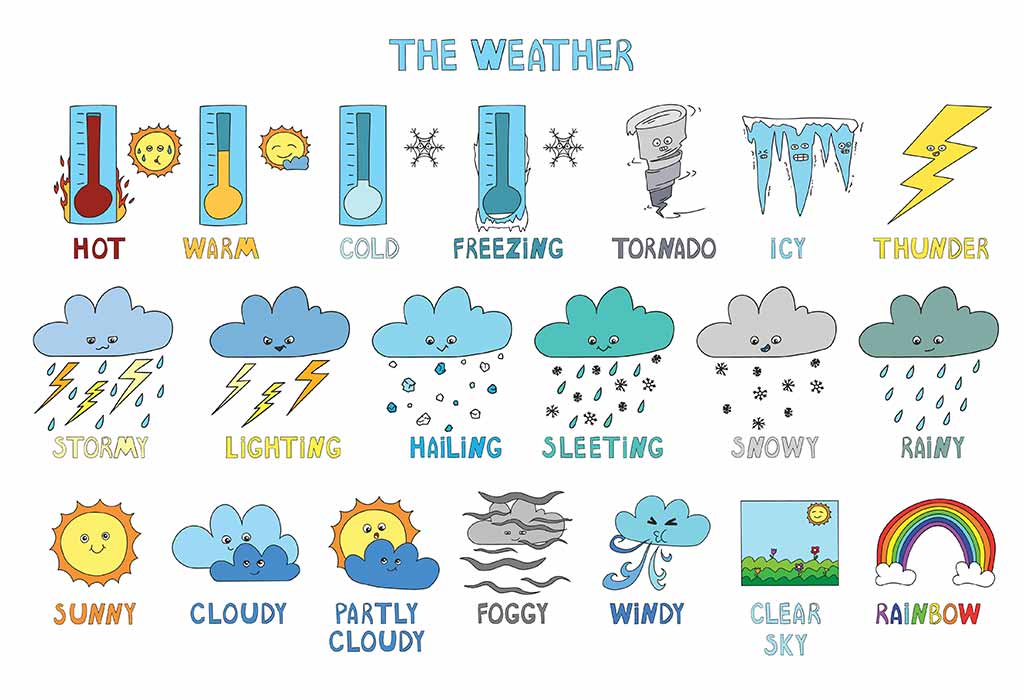
Building a strong weather vocabulary in English is a great way to help children describe and understand the world around them. Below is a simple, easy-to-follow weather vocabulary list that introduces kids to common weather terms and their meanings, making learning both fun and informative.
1. Cold
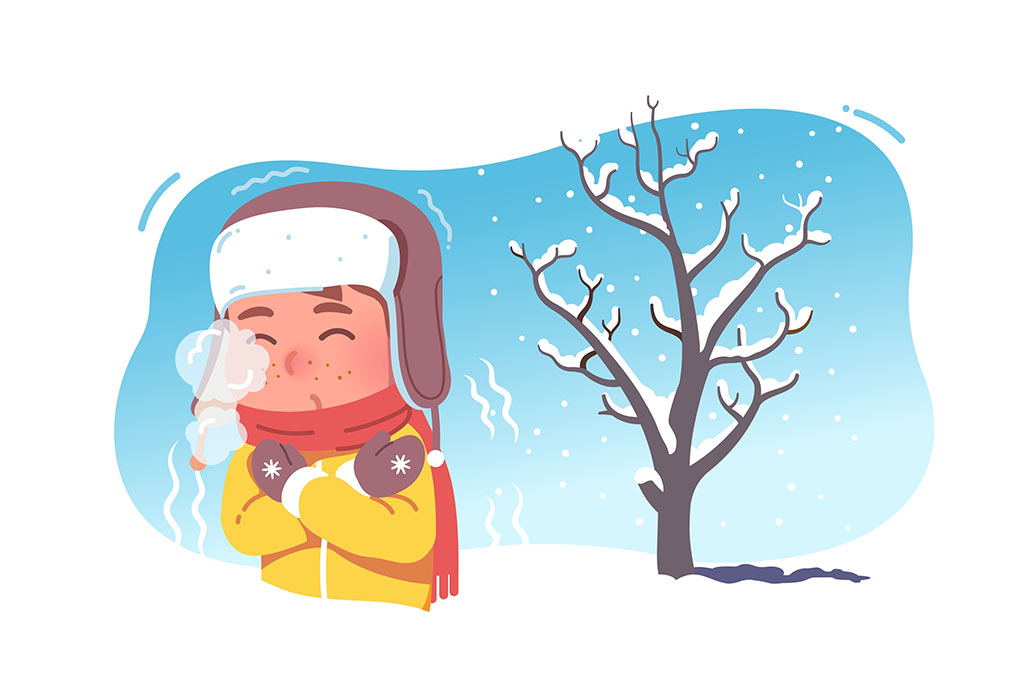
Cold weather refers to a prolonged period of low temperatures where the air feels chilly and uncomfortable. During cold weather, people wear warm layers of clothing such as coats, scarves, and gloves to protect themselves from the biting chill.
2. Hot

Hot weather refers to a long period of high temperatures, often accompanied by intense heat and humidity. It is most commonly experienced during the Summer season and in tropical regions, making people feel sweaty, tired, and in need of cool water or shade.
3. Wind
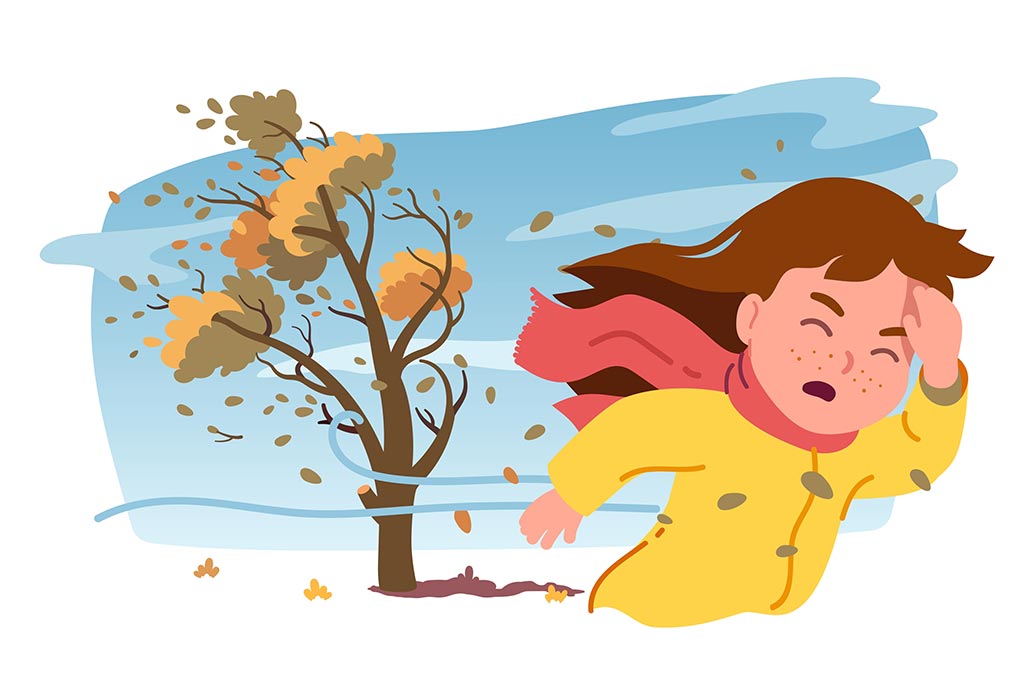
Wind is the movement of air from areas of high pressure to areas of low pressure. When the air moves strongly and rapidly, it is marked by powerful gusts that can rustle leaves, bend trees, and even make it difficult to walk outdoors comfortably.
4. Lightning
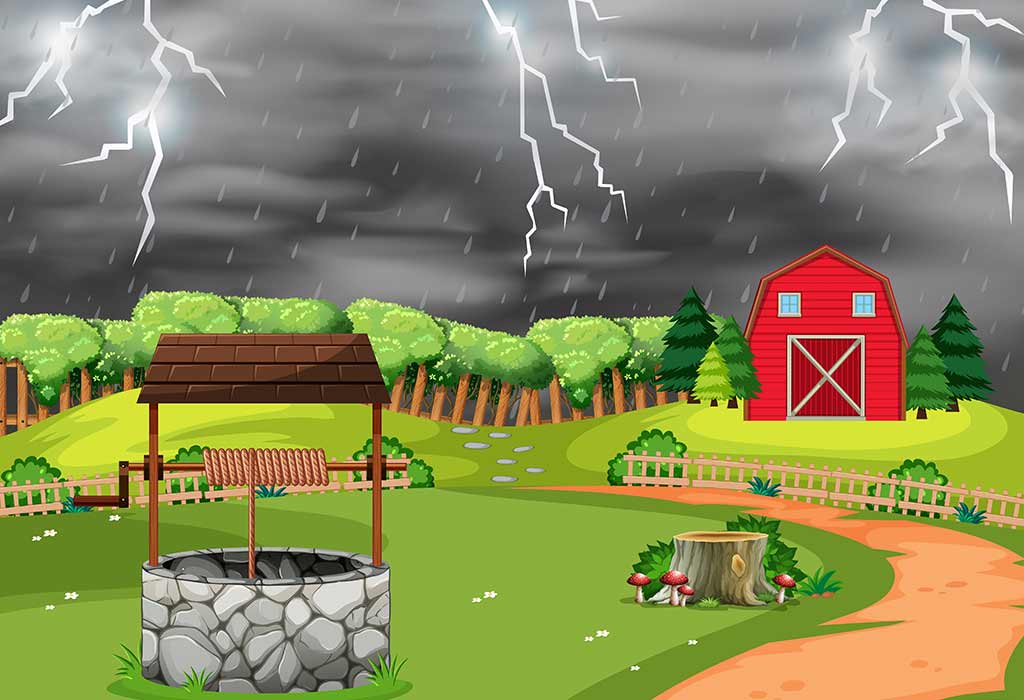
Lightning is a dramatic natural phenomenon in which a bright, powerful flash of light appears in the sky during a storm. It is caused by a buildup of electrical energy between clouds or between a cloud and the ground, and it is always followed by the sound of thunder.
5. Smog

Smog is a form of air pollution that forms when smoke, dust, and chemical fumes mix and hang over a city like a thick, dark cloud. It is most common in densely populated, industrialised areas and can cause serious breathing difficulties and health problems.
6. Sleet
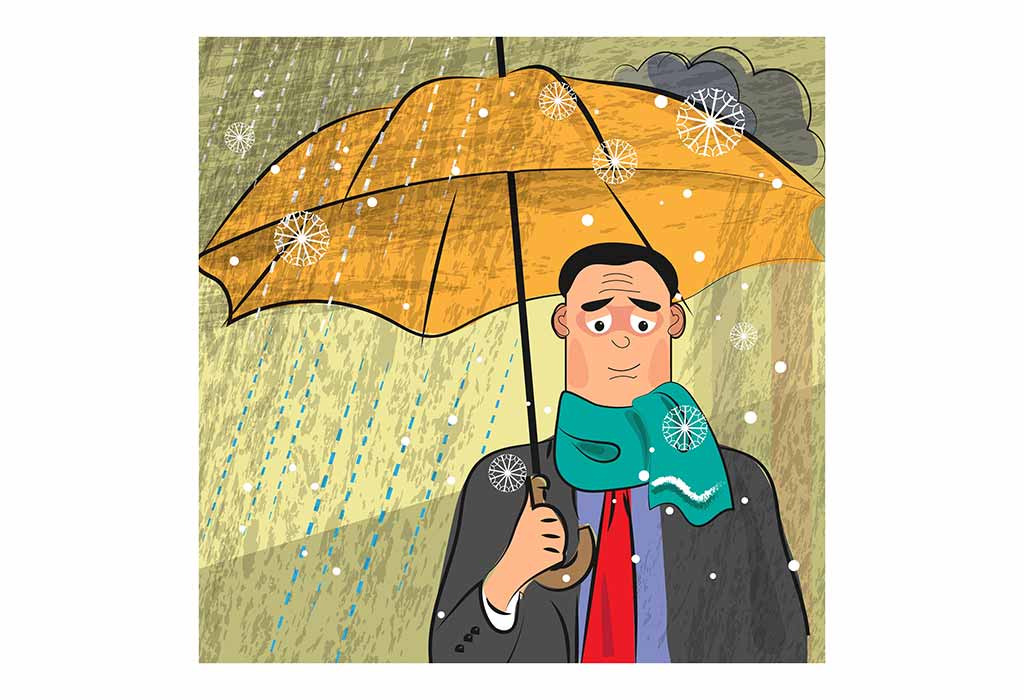
Sleet occurs when falling snow or ice passes through a layer of warmer air, partially melts, and then refreezes, resulting in a mixture of snow, hail, and rain. It creates wet and slippery conditions on roads and pavements, making travel quite hazardous.
7. Typhoon
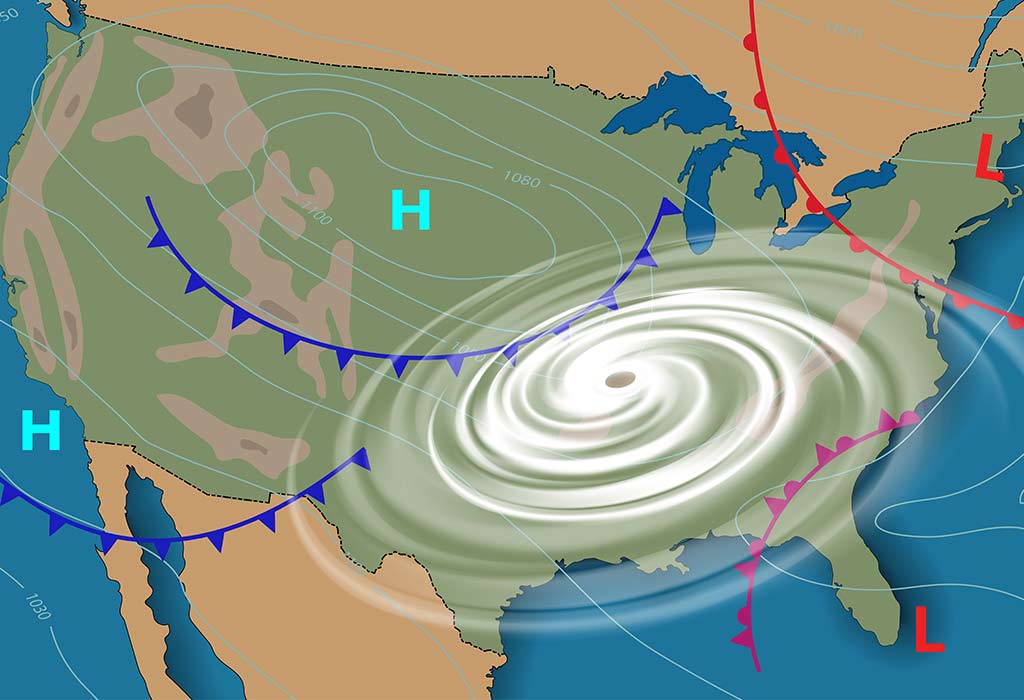
A typhoon is a powerful and destructive tropical storm characterised by a spiral arrangement of thunderstorms that produces extremely strong winds and heavy rainfall. Typhoons typically form over warm ocean waters and are most common in the western Pacific region.
8. Rainbow

A rainbow is one of nature’s most beautiful and colourful phenomena. It appears when sunlight passes through raindrops in the air, bending and reflecting the light to form a stunning arch of seven colours — red, orange, yellow, green, blue, indigo, and violet — across the sky.
9. Hailstone
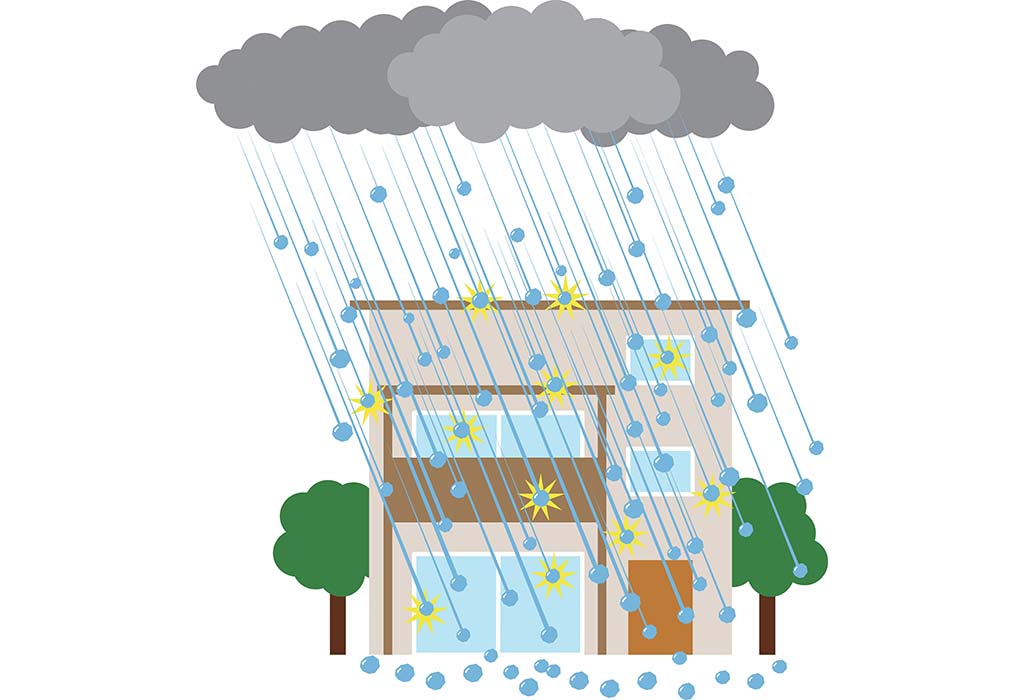
Hailstones are small, hard balls of ice that form inside storm clouds and fall to the ground during intense thunderstorms. They can vary in size from tiny pea-sized pellets to large golf ball-sized chunks and can cause significant damage to crops, vehicles, and buildings.
10. Fog

Fog is a thick layer of cloud that forms close to the ground, significantly reducing visibility. It is made up of tiny water droplets suspended in the air and is most commonly seen during cool mornings in Autumn and Winter, often making travel slow and dangerous.
11. Mist
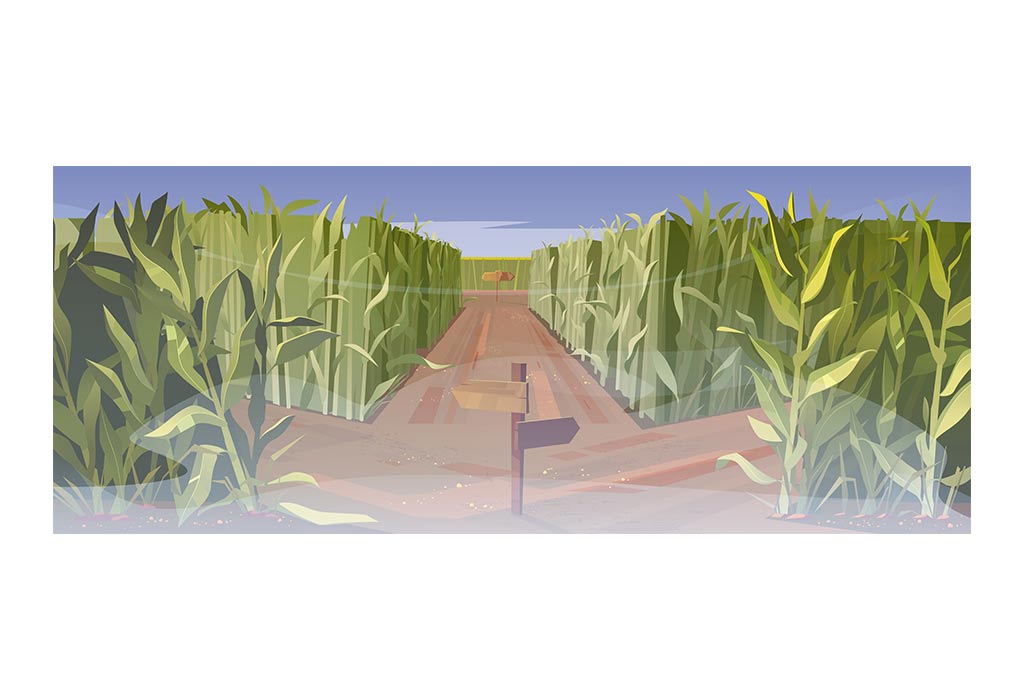
Mist is a light, thin form of fog typically caused by drizzle or high humidity. Unlike dense fog, mist does not reduce visibility as severely but gives the surroundings a soft, hazy appearance. It is commonly seen in valleys, forests, and near bodies of water in the early morning.
12. Frost

Frost occurs when the temperature drops below freezing point, and tiny ice crystals form on the ground, grass, leaves, and other surfaces. It gives the landscape a beautiful, white, glittery appearance in the morning, but it can damage plants, crops, and road surfaces.
13. Drizzle

Drizzle is a very light form of rainfall, consisting of fine, tiny droplets that fall gently from the sky. It is not as heavy as regular rain but can still make surfaces wet and slippery. Drizzle is common on overcast and cloudy days in cooler seasons.
14. Shower
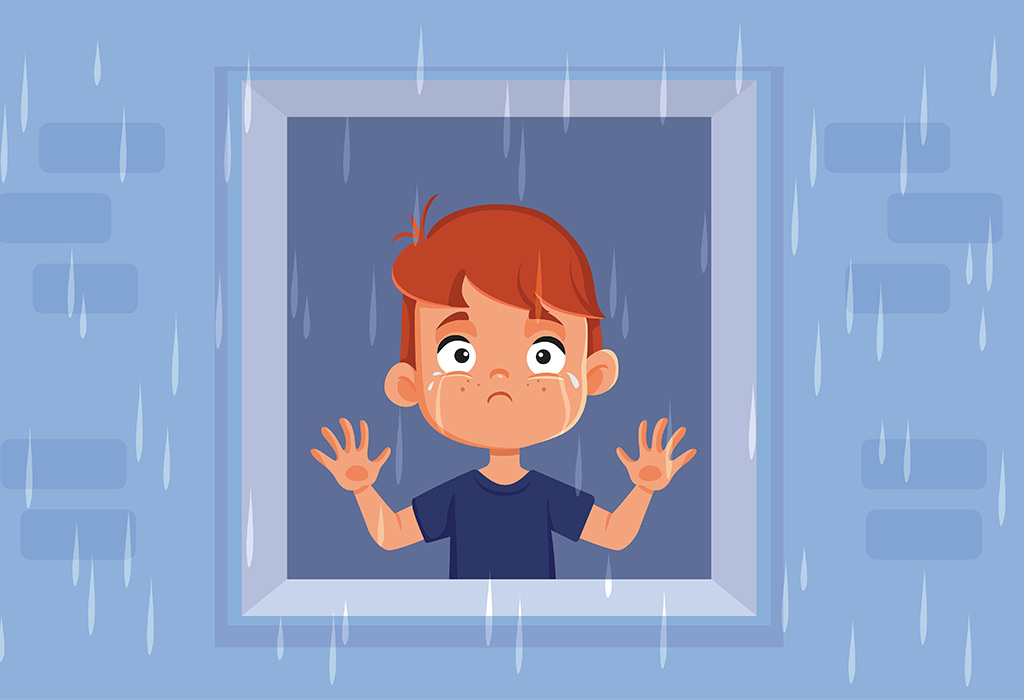
A shower is a brief, relatively light rainstorm that starts and stops quickly. Unlike continuous rainfall, showers are short-lived and can appear suddenly even on a mostly sunny day. They are common in Spring and are often followed by sunshine and sometimes a rainbow.
15. Tornado
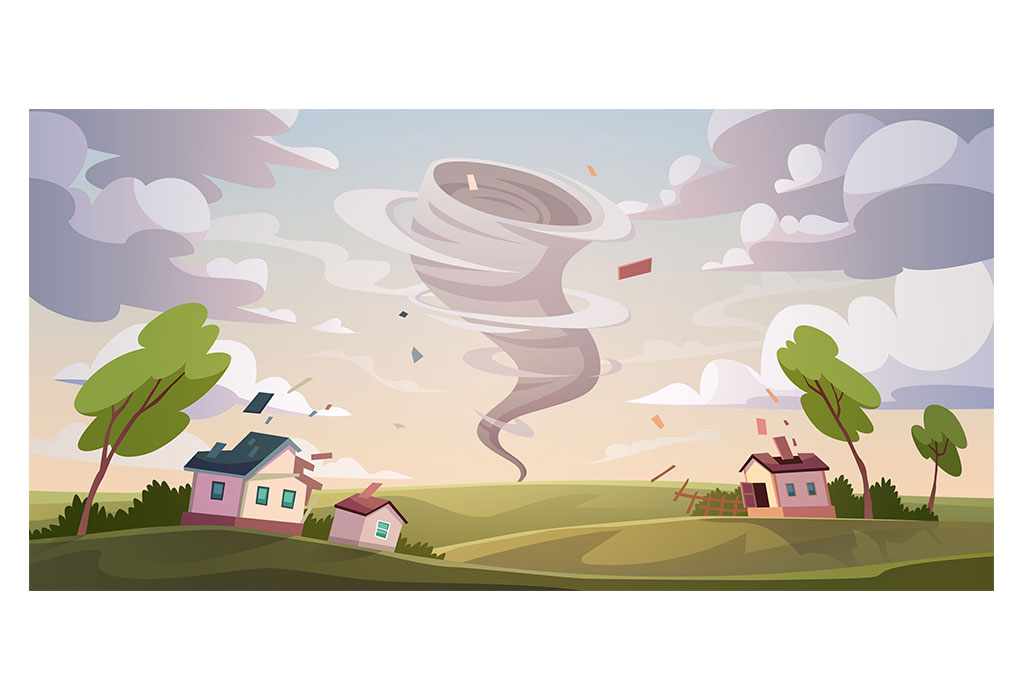
A tornado is an extremely powerful and dangerous weather phenomenon in which a column of air rotates violently in a narrow, funnel-shaped path across the ground. Tornadoes can destroy buildings, uproot trees, and toss heavy objects through the air within seconds of making contact with the ground.
16. Snowflake
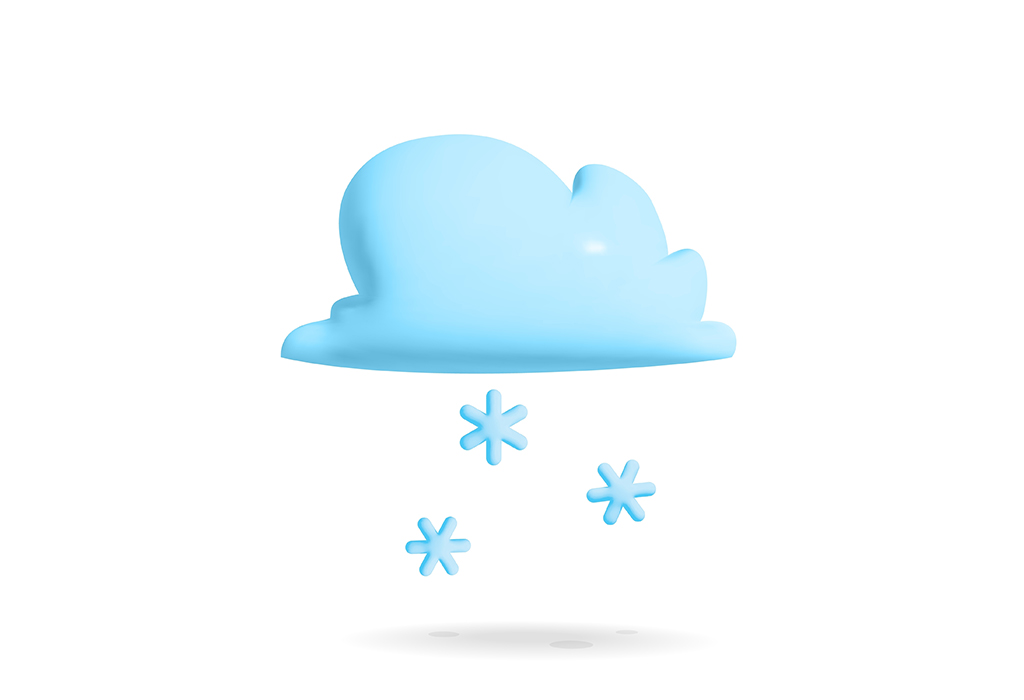
A snowflake is a single, delicate, and uniquely shaped crystal of ice that falls from snow clouds during cold weather. Every snowflake has its own intricate and symmetrical pattern, making each one completely unique. When millions of snowflakes fall together, they cover the ground in a soft, white blanket of snow.
17. Breeze

A breeze is a light and gentle wind that moves softly through the air. It is pleasant and refreshing, especially on a warm sunny day, and is strong enough to rustle leaves and cool the skin without causing any damage. A sea breeze near the coast is particularly cool and refreshing.
18. Hurricane
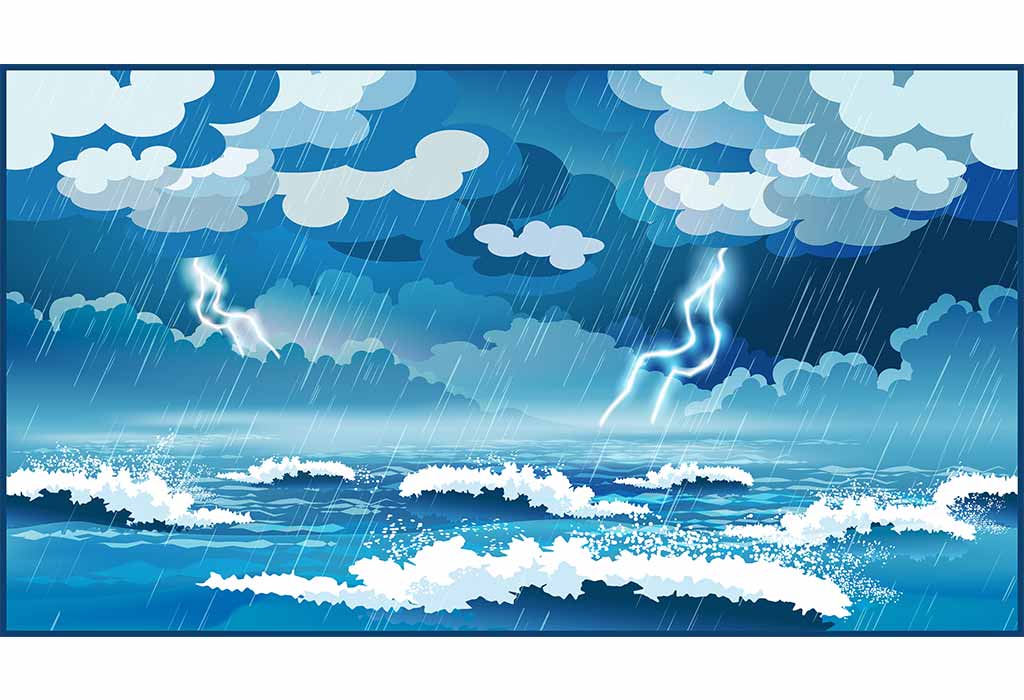
A hurricane is one of the most powerful and destructive storms on Earth, formed by a large spiral arrangement of thunderstorms over warm ocean waters. It brings extremely strong winds, torrential rainfall, and massive waves that can cause widespread flooding, destruction, and loss of life in coastal areas.
19. Cyclone
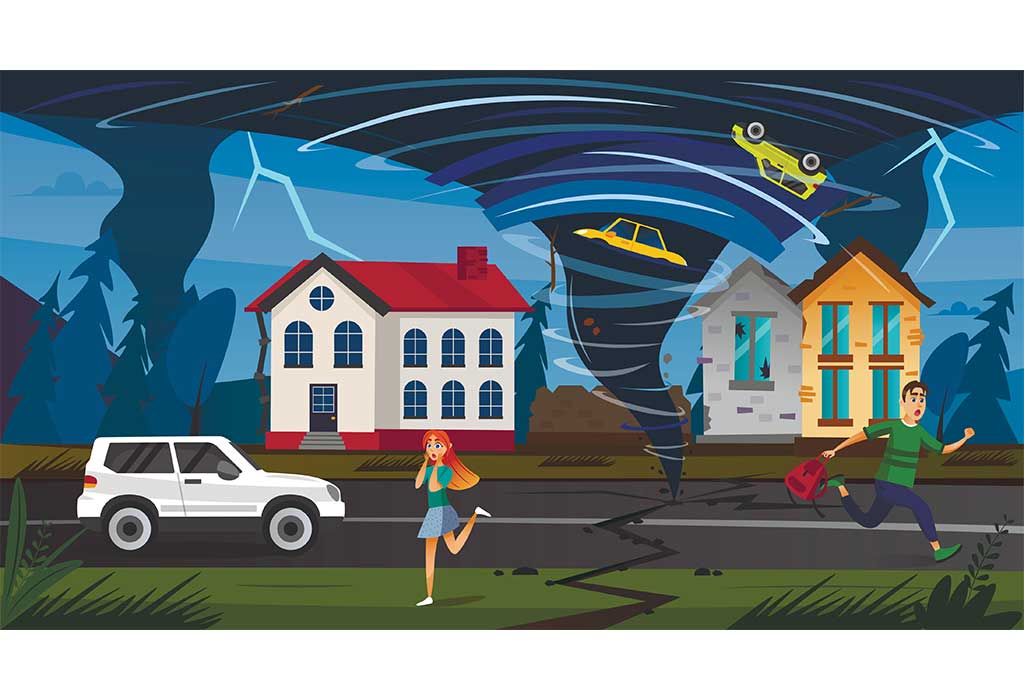
A cyclone is a large-scale weather system in which winds spiral inward around a central area of low pressure, bringing heavy rains and strong winds. Similar to hurricanes and typhoons, cyclones are named differently depending on the region where they occur and can cause tremendous damage.
20. Thunder
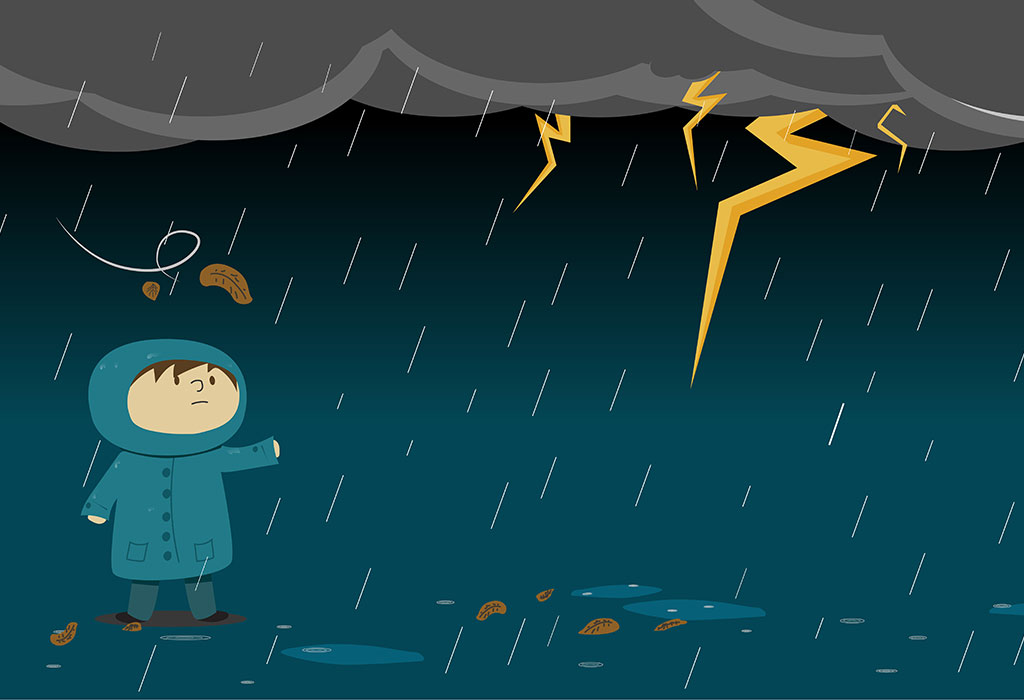
Thunder is the loud, deep rumbling or cracking sound that follows a flash of lightning during a storm. It is caused by the rapid expansion of air heated by the lightning bolt. The closer the thunder sounds, the nearer the storm is, making it an important natural warning signal to seek shelter indoors.
Adjectives To Describe Weather
Let’s look at weather adjectives for kids to learn. These descriptive words make it easier and more fun for kids to talk about the weather around them. Here is an expanded list of weather adjectives for kids to explore!
- Sunny
- Windy
- Stormy
- Chilly
- Snowy
- Gloomy
- Foggy
- Clear
- Icy
- Cold
- Hot
- Humid
- Warm
- Hazy
- Misty
- Frosty
- Breezy
- Overcast
- Drizzly
- Thundery
- Muggy
- Rainy
- Blustery
- Crisp
- Damp
- Freezing
- Scorching
- Cloudy
- Mild
- Torrential
Weather Questions For Kids
Here are some questions about weather vocabulary you can quiz your little one on.
- In which type of weather do we carry an umbrella to stay dry?
Answer: Rainy
- In which warm and bright weather do we enjoy eating ice cream outdoors?
Answer: Sunny
- In which cold and frosty weather can you build a snowman and have snowball fights?
Answer: Snowy
- What do we call a very light rainfall with tiny, fine drops of water?
Answer: Drizzle
- In which type of weather would you wear a warm coat, scarf, and gloves to stay warm?
Answer: Cold
- What do we call the bright flash of light that appears in the sky during a storm?
Answer: Lightning
- In which type of weather does thick mist make it difficult to see clearly outdoors?
Answer: Foggy
- What do we call the loud rumbling sound we hear in the sky after a flash of lightning?
Answer: Thunder
- In which type of weather do strong and powerful winds make the trees sway and bend?
Answer: Windy
- What do we call the beautiful arch of seven colours that appears in the sky after rain?
Answer: Rainbow
Weather Sentences For Children
While teaching children weather vocabulary, it is important that we teach them how to form sentences using these words. In this section, we have covered a few sentences using weather vocabulary for children.
- Next month it will be sunny.
- Canada is colder than India.
- It is rainy and wet in the eastern part of the country.
- It’s windy in the desert area.
- It’s snowing. Remember to take your fur gloves.
- Don’t go running today! It’s stormy outside.
- It’s warm right now.
- Those hailstones left dents in my car.
- It is so humid today that I had to change my shirt twice.
- Wear a jacket because it’s a little chilly outside.
Activities That Will Help Your Child Learn About The Weather
Teach your little one weather vocabulary for kindergarten with the fun, creative activities we have shared below.
1. Teach With Flash Cards
Print different weather conditions on flashcards and show them to your child one by one. Let them look at the image carefully and guess the type of weather it represents. You can also write the weather word on the back of each card so your child can check their answer and learn the spelling.
2. Draw The Weather
Give your child a drawing sheet and ask them to draw any type of weather they like, such as a bright sun for sunny, raindrops and an umbrella for rainy, or swirling lines for windy. This is a wonderfully creative way to help children associate weather words with visual images while having fun.
3. Learn With A Poem
You can make your child recite the following poem to help them learn about different types of weather in a fun and memorable way:
Outside & In
It snowed.
It rained.
Then the sun shone bright,
And I went out to play.
But when I got out there,
It started raining again,
So I returned inside and waited
for the showers to end.
I got out my toys
to play on the floor,
When I noticed the sun
was shining once more.
So I put on my coat
and opened the door,
to see massive hailstones
falling. Therefore,
My day consists
of outside and in,
then outside, and inside,
and outside again.
Given the uncertainty,
I just can’t wait to find
What happens when the weather
finally makes up its mind.
4. Teach With Clothes
Gather the clothes and accessories we wear in different weather conditions, such as raincoats and boots for the rainy season, thick jackets and scarves for winter, and light capris and t-shirts for summer. Show these items to your little one and explain which clothes we wear in each type of weather and why. This hands-on activity makes learning practical, relatable, and easy to remember.
5. Create A Weather Chart
Help your child create a simple weather chart or calendar and encourage them to observe and record the weather every single day. Each morning, ask them to look outside and decide whether it is sunny, cloudy, rainy, or windy, and mark it on their chart using stickers or drawings. This daily activity not only reinforces weather vocabulary but also develops observation skills, a sense of routine, and a love of learning about the world around them.
Practice Questions About Weather
Testing your child’s knowledge is a great way to reinforce their learning and build their confidence. Here are some practice questions based on weather vocabulary words to quiz your little one and make learning an enjoyable experience!
- What do we call the harmful mix of smoke and pollution that hangs over a city like a thick, dark cloud?
Answer: Smog
- What type of weather occurs when falling snow and rain mix together in the air?
Answer: Sleet
- What do we call the loud rumbling sound we hear in the sky during a storm?
Answer: Thunder
- What is the name of the violently rotating column of air that moves in a narrow funnel shape across the ground?
Answer: Tornado
- What do we call weather that is warm and moist, making the air feel heavy and sticky?
Answer: Humid
- What type of weather is it when the air is filled with dust or moisture, making the sky look pale and unclear?
Answer: Hazy
- What do we call small, hard balls of ice that fall from the sky during a heavy storm?
Answer: Hailstones
- What type of weather is it when the sky is dull, dark, and heavily covered with grey clouds?
Answer: Gloomy
- What do we call a tropical storm with a spiral arrangement of thunderstorms producing strong winds and heavy rains?
Answer: Typhoon
- What type of weather is it when surfaces like roads and pavements are covered with a slippery layer of ice?
Answer: Icy
Weather Vocabulary Chart
A weather vocabulary chart is a simple and effective tool that helps children visually learn and remember weather words and their meanings. The chart below provides a quick, easy-to-use reference guide that makes it fun and straightforward for kids to identify and understand various weather conditions.
FAQs
1. How Can I Help My Child Practise Weather Words At Home?
There are many simple and fun ways to practise weather words at home. You can point out the weather each morning, encourage your child to describe what they see outside, use weather-themed colouring books, or play simple word games and matching activities together.
2. How Can Teachers Introduce Weather Vocabulary In The Classroom?
Teachers can introduce weather vocabulary through interactive activities such as morning weather discussions, weather-themed story reading, classroom weather charts, and group drawing activities. Using songs and rhymes about the weather is also a highly effective and engaging teaching method.
3. Are There Any Books That Can Help Children Learn Weather Words?
Yes, there are many wonderful children’s books that introduce weather vocabulary in a fun and engaging way. Books like “Cloudy With A Chance Of Meatballs” and “The Snowy Day” are great examples that use vivid weather descriptions to tell their stories and naturally expand a child’s weather vocabulary.
4. How Can I Make Weather Vocabulary Practice More Interactive And Fun?
You can make weather vocabulary practice more interactive by turning it into a game. Try activities like weather word bingo, weather charades, or a simple outdoor weather walk where your child identifies and names the weather conditions they observe.
Learning about weather is an exciting experience for young children. From understanding different types of weather to building a strong weather vocabulary, this learning journey helps children develop their language skills and understanding of the natural world around them.
By incorporating fun activities, practice questions, and everyday conversations into your child’s routine, you can make learning weather words an enjoyable experience. We hope this article has given you all the tools you need to help your little one explore the wonderful world of weather!
Also Read:
Teaching Children about Amphibians
Teach Your Kids About Seasons of The Year
Layers Of Soil for Preschoolers and Kids