


Last Updated on August 5, 2026
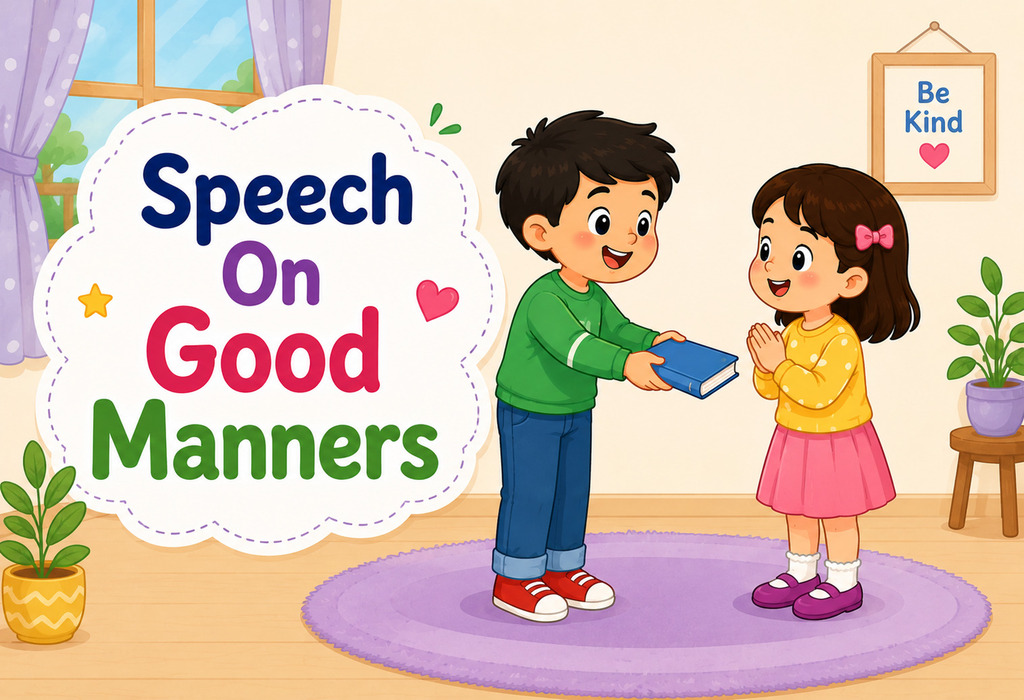
Good manners form the foundation of how children interact with the world around them, shaping their relationships, reputation and character from an early age. Delivering a good manners speech in English allows students to reflect on why simple acts like saying “please” and “thank you,” respecting elders, and being kind to others truly matter, while also helping them build confidence in public speaking.
Thank you for reading this post, don't forget to subscribe!
An ‘Importance of Good Manners’ speech doesn’t need to be lengthy or complicated to make an impact; even a short, well-structured piece can remind an audience of values that are often taken for granted in daily life. In this article, we bring you a range of speeches on good manners, from short and simple versions for younger students to longer, more detailed speeches for older children. These examples are designed to help your child prepare a thoughtful and well-structured speech that leaves a lasting impression on their audience.
10 Line Speech On Good Manners
This short speech for classes 1 and 2 keeps things simple while still covering why good manners matter. Here are ten easy lines your child can use for their speech.
- Respected teachers and my dear friends, a very good morning to all of you.
- Today, I would like to talk about the importance of good manners.
- Good manners mean being polite, kind and respectful to everyone around us.
- We should always say “please” and “thank you” when we ask for or receive something.
- It is important to respect our elders, teachers and friends at all times.
- Sharing our things with others shows kindness and good behaviour.
- Saying “sorry” when we make a mistake shows honesty and humility.
- Good manners help us build strong friendships and earn the trust of others.
- Practising good manners every day makes us better human beings.
- Let us all promise to be polite and well-mannered in our daily lives. Thank you.
1 Minute Speech On Good Manners
For quick classroom slots, this one-minute speech covers the key points about good manners without taking up too much time. It works well when speaking time is limited, but the message still needs to land.
Respected teachers and my dear friends, a very good morning to all of you.
Today, I would like to speak about something we often hear about but don’t always practise: good manners that show respect and kindness towards others. Saying “please” and “thank you,” greeting people politely, and listening when someone else is speaking are all small gestures that make a big difference. Respecting our elders, being honest, and apologising when we make a mistake are equally important parts of good behaviour.
Good manners not only help us build stronger relationships with the people around us, but they also shape how others perceive our character. A person with good manners is often more trusted, respected and liked by those they interact with.
Let us all try to practise good manners every single day, not just when someone is watching. Thank you.
2 Minute Speech On Good Manners
Two minutes gives a little more room to talk about specific examples of good manners and why they matter beyond the obvious. This speech works well for a slightly longer classroom or assembly slot.
Respected principal, teachers and my dear friends, a very good morning to all of you. Today, I stand before you to speak about a topic that shapes how we are seen by the world around us: good manners.
Good manners are the small, everyday habits that show respect, kindness and consideration towards others. They may seem simple, saying “please” and “thank you,” holding the door open for someone, or listening patiently when others speak, but these small gestures often reveal a person’s true character far more than words ever could.
Respecting our elders is one of the most important aspects of good manners. Whether it’s greeting them politely, listening to their advice, or simply being patient with them, this respect reflects the values we’ve been taught at home. Similarly, treating our friends and classmates with kindness, sharing what we have, and including others rather than leaving them out are equally important habits that build strong, lasting friendships.
Honesty also plays a key role in good manners. Admitting our mistakes and saying “sorry” when we’re wrong shows humility and maturity, qualities that earn the trust and respect of those around us. Good table manners, punctuality and being mindful of others’ feelings in public spaces are other small but meaningful ways we show consideration for the people we share our world with.
In many ways, good manners act as a quiet language of respect, one that doesn’t require grand gestures, only consistency and genuine care. A person known for their good manners often finds it easier to build friendships, earn trust and leave a positive impression wherever they go.
As we go about our daily lives, let us remember that good manners are not just rules to follow occasionally, but habits worth practising every single day, at home, at school, and everywhere in between. Thank you.
Short Speech On Good Manners
Sometimes a shorter speech says just as much as a longer one, without losing the message it’s meant to convey. Here’s a version that stays concise while still covering the essence of good manners.
Respected principal, teachers and my dear friends, a very good morning to all of you. Today, I would like to speak on a topic that touches every part of our daily lives, yet is often taken for granted: the importance of good manners.
Good manners are the small, everyday habits and behaviours that reflect respect, kindness and consideration for the people around us. They might seem simple on the surface, saying “please” and “thank you,” greeting others warmly, or waiting patiently for our turn, but these small actions often say more about a person’s character than any words could.
One of the most fundamental aspects of good manners is respect, particularly towards our elders. Whether it’s listening attentively when they speak, following their guidance, or simply addressing them politely, this respect reflects the values instilled in us from a young age. Similarly, treating our classmates, friends and even strangers with kindness, whether through sharing, including others, or offering help when needed, builds a foundation of trust and goodwill in our relationships.
Honesty is another quality closely tied to good manners. Owning up to our mistakes and offering a sincere apology when we’re wrong shows humility and maturity, qualities that are often more valued than being right all the time. In fact, the willingness to admit fault often earns us more respect than avoiding blame ever could.
Good manners also extend to how we behave in public and social settings. Simple habits like maintaining proper table manners, being punctual, not interrupting others while they speak, and being mindful of noise levels in shared spaces reflect a deeper awareness of the people around us. These behaviours, though small, show that we value the comfort and experience of others, not just our own convenience.
In today’s fast-paced world, it’s easy to overlook these small courtesies, especially when we’re focused on our own priorities. However, the impact of good manners is far-reaching. A polite, respectful person often finds it easier to build friendships, resolve conflicts peacefully, and earn the trust of teachers, peers and even strangers. In many ways, good manners act as a quiet, consistent language of respect, one that requires no grand gestures, only sincerity and regular practice.
It’s also worth remembering that good manners aren’t just meant to be displayed when someone is watching or when it’s convenient. True good manners are practised consistently, whether at home, at school, or in public, because they stem from genuine respect and empathy for others, not from a desire to impress.
As young students, cultivating good manners early on sets the foundation for how we carry ourselves throughout our lives. It shapes not only how others perceive us, but also the kind of person we become over time. Simple habits, practised consistently, can leave a lasting, positive impression far beyond what we might expect.
As we go about our daily interactions, let us all make a conscious effort to practise good manners, not as a rule to follow occasionally, but as a genuine reflection of who we are. Thank you.
Long Speech On Good Manners
For assemblies or events with more speaking time, this longer speech explores good manners in greater depth, from their meaning to real, everyday examples. It gives older students the space to elaborate on why these small habits matter so much.
Respected principal, teachers and my dear friends, a very good morning to all of you. Today, I have the honour of speaking on a topic that shapes not just how we’re perceived by others, but who we truly become over time: the importance of good manners. Though often talked about casually, good manners are, in many ways, the quiet foundation of a respectful and considerate society.
What Are Good Manners?
Good manners can be described as the small, everyday behaviours that reflect respect, kindness and consideration towards the people around us. They aren’t grand gestures or complicated rules; rather, they’re simple habits like saying “please” and “thank you,” greeting people politely, waiting our turn, and being mindful of how our actions affect others. At their core, good manners are really about empathy, the ability to think beyond ourselves and consider how our words and actions make others feel.
Importance of Good Manners
Good manners matter because they shape the very fabric of our relationships and communities. A person who practises good manners consistently is often trusted, respected and well-liked, not because they follow a strict set of rules, but because their behaviour reflects genuine consideration for others. In classrooms, good manners help create an environment where students feel respected and heard. At home, they strengthen family bonds through everyday courtesy and kindness. In public spaces, good manners ensure that shared environments remain pleasant and comfortable for everyone, not just ourselves.
Beyond social benefits, good manners also shape our own character. When we consistently practise politeness, honesty and respect, these values become second nature, influencing how we handle conflict, disappointment and even success later in life.
Examples of Good Manners
Good manners show up in countless small ways throughout our daily lives. Here are some common examples that reflect thoughtful, respectful behaviour:
- Saying “please” when asking for something and “thank you” when receiving it.
- Greeting people politely, whether it’s a teacher, a neighbour or a stranger.
- Listening attentively when someone else is speaking, without interrupting.
- Apologising sincerely when we make a mistake or hurt someone, even unintentionally.
- Holding the door open for someone or offering your seat to those who need it more.
- Respecting elders by listening to their advice and speaking to them politely.
- Sharing our belongings and including others, rather than leaving anyone out.
- Being punctual and respecting other people’s time.
- Maintaining good table manners, such as chewing quietly and not speaking with a full mouth.
- Being mindful of noise levels and behaviour in shared or public spaces, such as libraries or hospitals.
Benefits of Practising Good Manners
Practising good manners consistently offers benefits that extend far beyond just making a good impression. It helps build stronger, more trusting relationships, as people naturally gravitate towards those who treat them with respect and kindness. In school, good manners often lead to better cooperation with teachers and classmates, creating a more positive learning environment for everyone involved.
Good manners also play a role in personal growth. Practising patience, humility and empathy regularly helps shape a more thoughtful, emotionally intelligent individual over time. In the long run, people known for their good manners often find it easier to navigate social situations, resolve conflicts peacefully, and build a positive reputation, whether in school, at work, or within their communities.
Perhaps most importantly, good manners contribute to a kinder, more considerate society as a whole. When more people practise small acts of courtesy and respect, it creates a ripple effect, encouraging others to do the same and gradually shaping a more empathetic and cooperative environment for everyone.
As we reflect on the importance of good manners today, let us remember that these habits, though small, carry a lasting impact on both our relationships and our own character. Good manners aren’t rules meant to be followed only when convenient or when someone is watching; they are genuine reflections of respect and empathy that should guide our behaviour every single day.
Let us all make a conscious effort to practise good manners consistently, at home, at school, and in every interaction we have, so that we not only leave a positive impression on others but also grow into thoughtful, considerate individuals. With that thought, I would like to conclude my speech. Thank you, and I hope we all carry this spirit of kindness and respect with us beyond today.
Key Points To Include In Your Speech On Good Manners
Whether your child is preparing a good manners speech for classes 1, 2, and 3 or a higher grade, a few key points can help them structure their thoughts effectively. Here’s what to keep in mind while writing.
- Start with a Respectful Greeting – Begin the speech by addressing the audience, such as the principal, teachers and fellow students, before moving into the topic.
- Define Good Manners Simply – Explain what good manners mean in simple, age-appropriate language, so the audience understands the core idea from the start.
- Use Everyday Examples – Include relatable examples, such as saying “please” and “thank you” or respecting elders, to make the speech easier to connect with.
- Keep the Language Simple – Use short sentences and easy words suited to the child’s age, so the speech is clear and simple to deliver confidently.
- Explain Why Good Manners Matter – Briefly touch on how good manners help build trust, respect and stronger relationships with others.
- End with a Meaningful Message – Conclude with a line encouraging the audience to practise good manners daily, leaving a thoughtful, lasting impression.
- Review and Practise – Read through the speech to check for mistakes, then rehearse it a few times aloud to build confidence and improve delivery.
FAQs
1. Can I Talk About a Personal Experience Involving Good Manners in My Speech?
Yes, sharing a short, genuine example of a time you practised good manners, or noticed someone else doing so, can make your speech feel more relatable and sincere.
2. Should I Mention Bad Manners as Well as Good Ones in My Speech?
You can briefly mention what poor manners look like, such as interrupting others or being rude, as this can help highlight why good manners matter by contrast, but keep the overall tone positive.
3. How Can I Make My Speech Sound Less Like a List of Rules?
Try connecting each example to why it matters, rather than simply listing behaviours, as this helps the speech feel more thoughtful and less like a set of instructions.
4. Can I End My Speech with a Personal Promise Instead of a Quote?
Yes, ending with a genuine promise to practise good manners in your own life can feel more sincere and impactful than a quote borrowed from elsewhere.
5. How Can I Practise Delivering This Speech Confidently?
Rehearsing in front of a mirror or a family member a few times before the actual day can help you get comfortable with your pace, tone and eye contact.
Good manners may seem like small, ordinary habits, but as this article shows, they quietly shape how we treat others and how we’re treated in return. Whether your child delivers a short ten-line speech or a longer, more detailed one, the goal remains the same: to remind everyone that kindness and respect, practised consistently, truly matter.
Also Read:
Essay on Respect
Essay on Good Manners
Essay on Kindness for Kids